


Latest Insights & Articles
Trending Insights
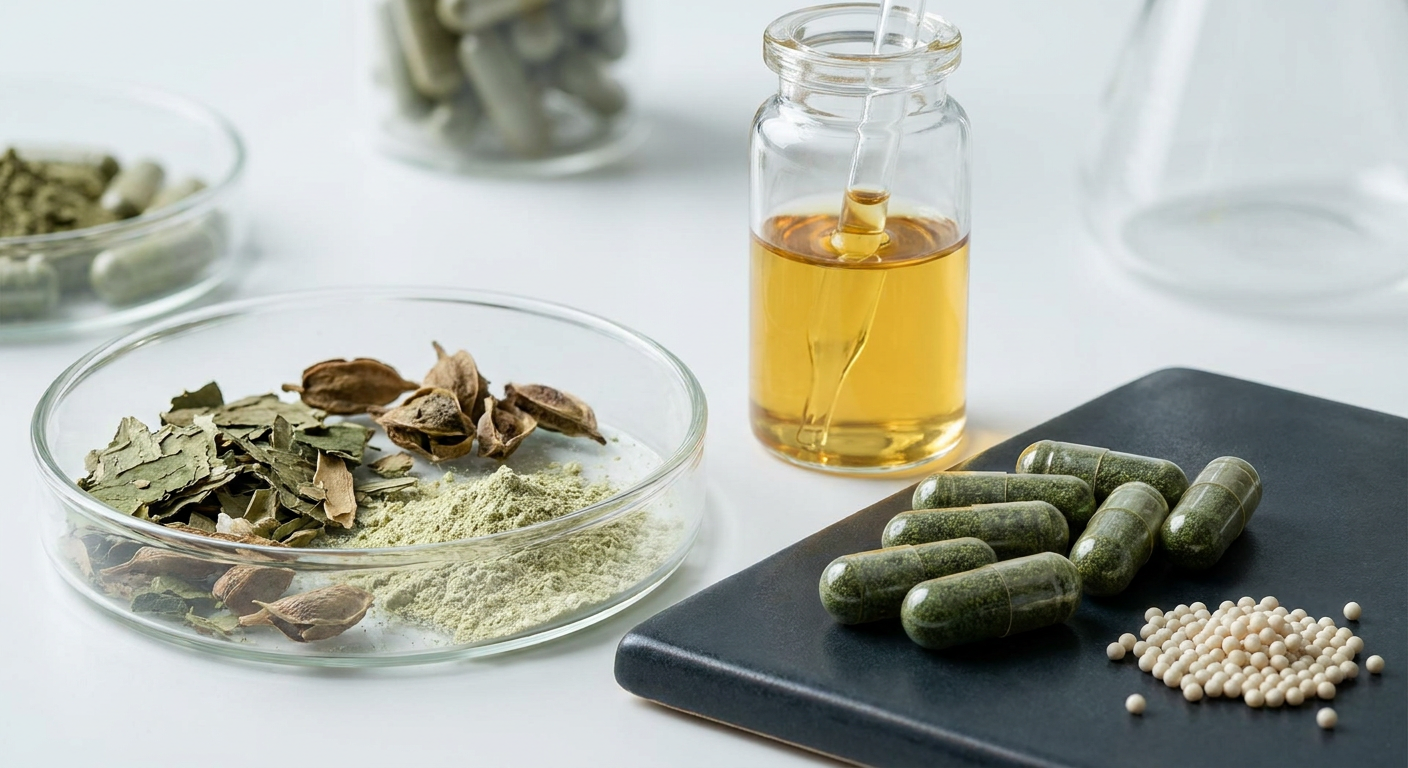
How to Formulate Ingestible Beauty Supplements: A Guide to Actives, Delivery Systems, and Taste Masking
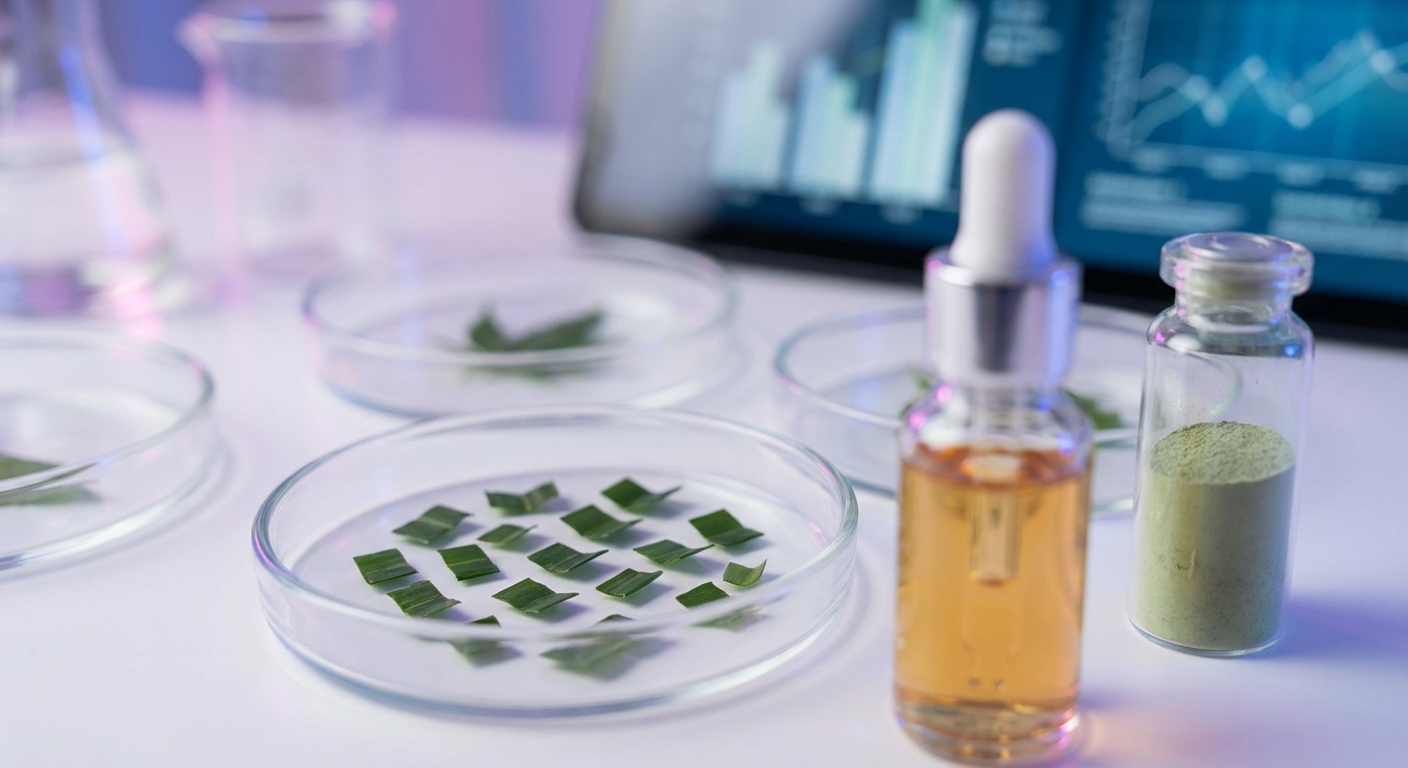
From Seed to Serum: A Look Inside Supernormal Greens' Pharma-Grade QA/QC Process for Tulsi

Xenohormesis: The Science of Using Plant Stress to Activate Cellular Defense in Skin
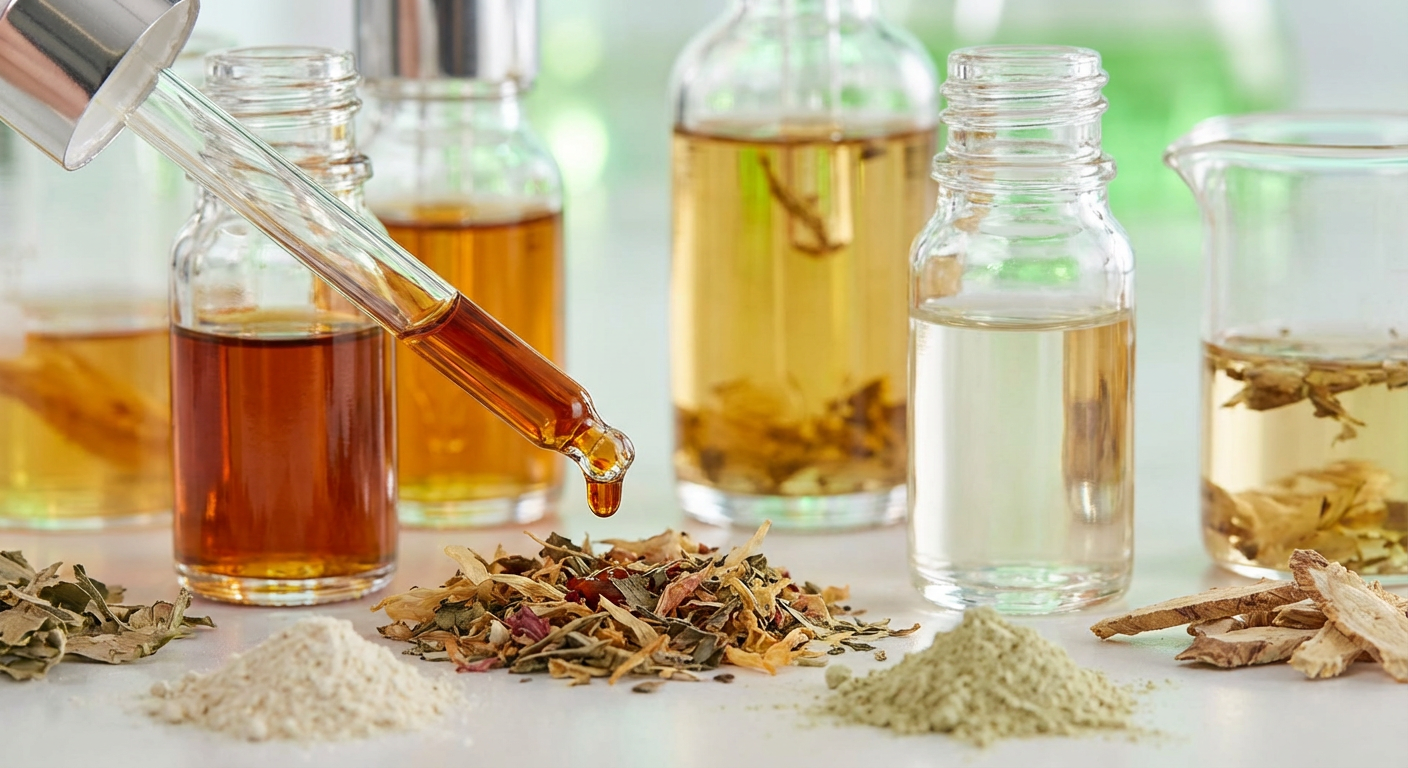
The Rise of Ingestible Beauty: Market Trends & Formulation Opportunities in the Gut-Skin Axis
All Insights
How to Formulate Ingestible Beauty Supplements: A Guide to Actives, Delivery Systems, and Taste Masking
Xenohormesis: The Science of Using Plant Stress to Activate Cellular Defense in Skin
The Rise of Ingestible Beauty: Market Trends & Formulation Opportunities in the Gut-Skin Axis
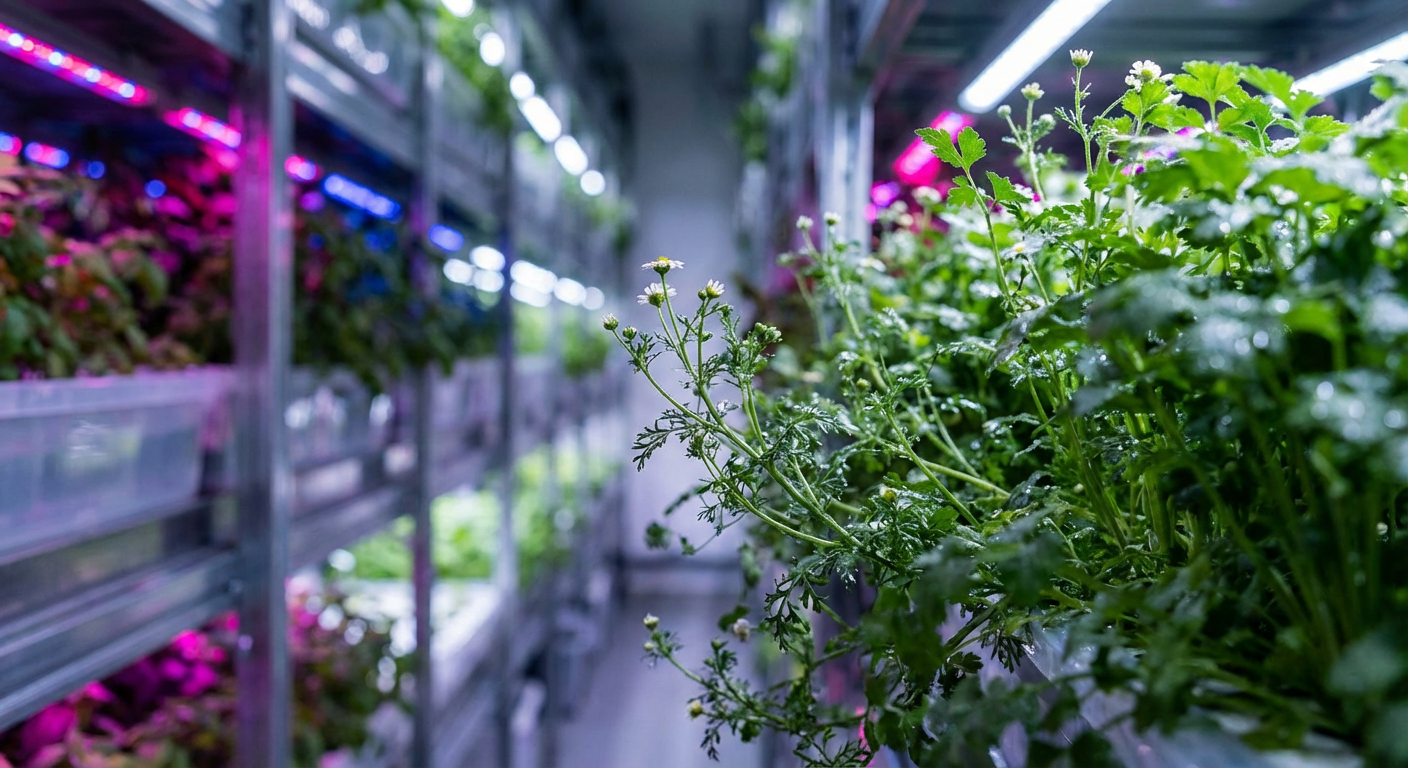
The Future of Sourcing: Why Controlled Environment Agriculture is Revolutionizing Cosmetic Ingredients
How Polyphenols Like Rosmarinic Acid Modulate the Gut Microbiome to Improve Skin Health
Field-Grown vs. CEA Tulsi: A Data Comparison of Ursolic Acid Variation by Batch

Dandruff and Malassezia: Investigating the Antifungal Potential of Artemisia

Can Artemisia Annua Extract Soothe an Inflamed Scalp? The Scientific Basis
Applying Xenohormesis to Skincare: How Stressed Botanicals Activate Sirtuins and Cellular Defenses
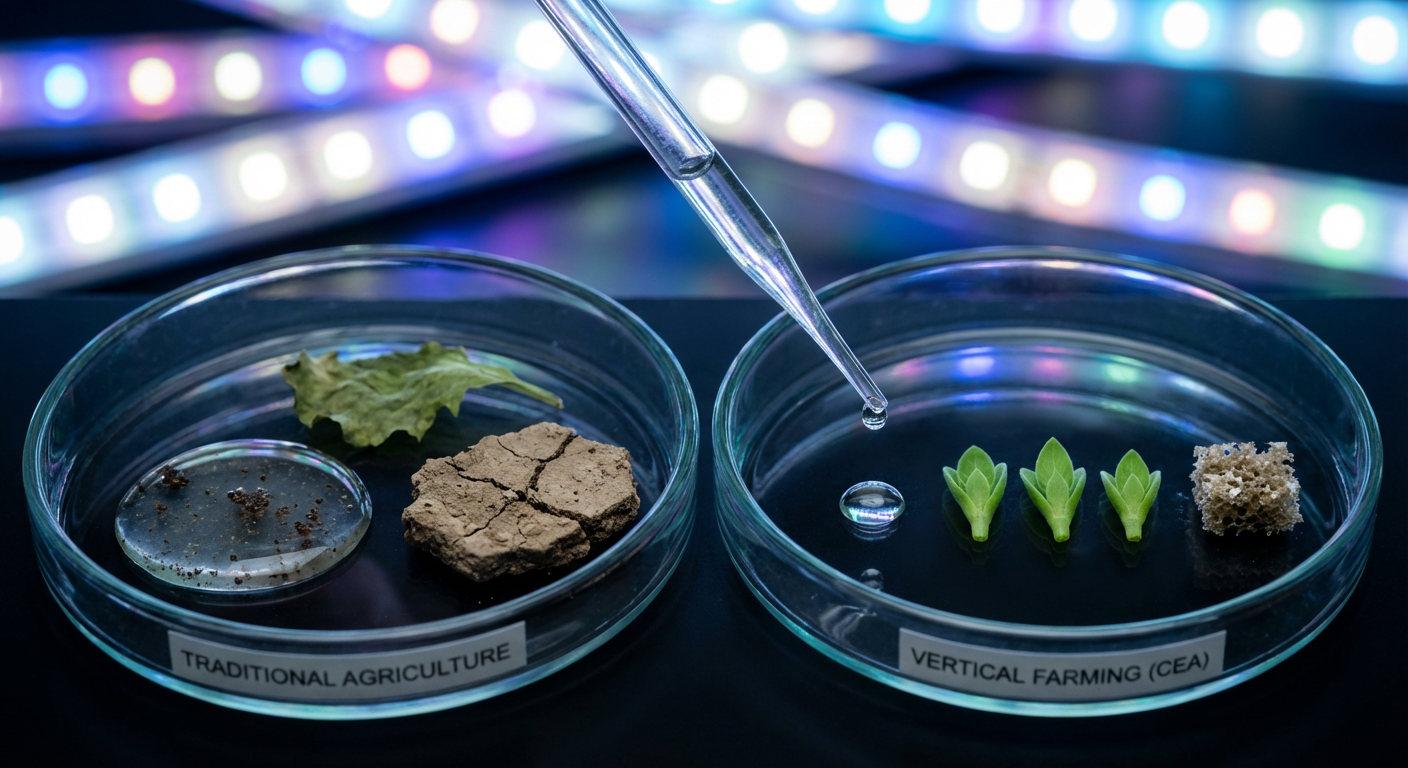
95% Less Water, 100% More Consistency: The Sustainability Argument for CEA-Grown Ingredients

Artemisia Annua's Effect on Cutibacterium acnes Biofilms: An In-Vitro Analysis
What is Ursolic Acid? Understanding its Role in Collagen Synthesis and Skin Barrier Fortification
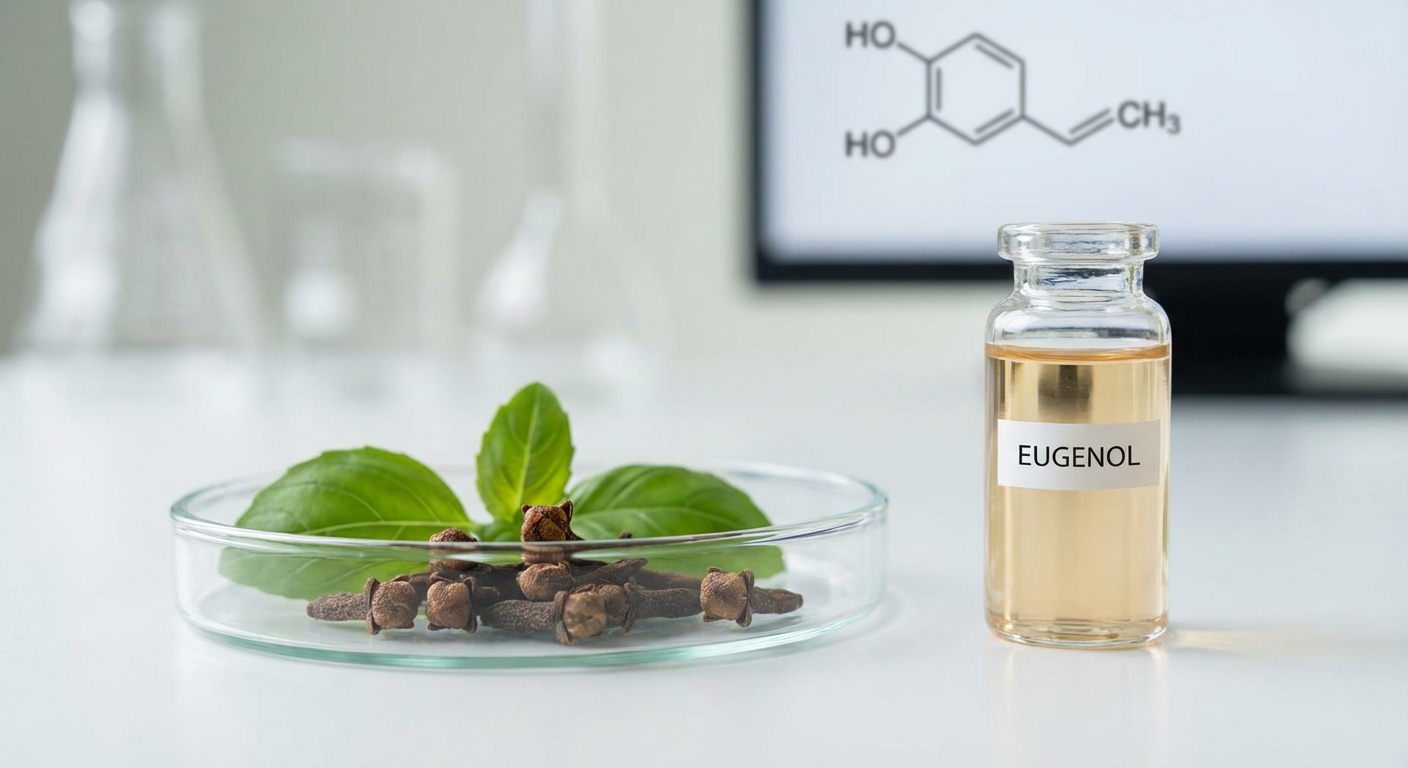
What is Eugenol? A Formulator’s Guide to its Antimicrobial and Sensory Properties
What is Cynarin? The Antioxidant Powerhouse in Artichoke for Anti-Aging Skincare
The Role of Adaptogens in Anti-Aging: A Deep Dive into Tulsi's Cellular Mechanisms
The Complete Phytochemical Profile of Ocimum Sanctum for Cosmetic Applications
Rosmarinic Acid vs. Ursolic Acid: Which Phytochemical is a Better Fit for Your Anti-Aging Formula?
From Seed to Serum: A Look Inside Supernormal Greens' Pharma-Grade QA/QC Process for Tulsi
Formulating for Calm: The Antimicrobial & Soothing Power of Artemisia Annua
How to Create a Soothing Face Mist with Artemisia Annua for Redness-Prone Skin
Targeting Wrinkles and Fine Lines: The Clinical Evidence for Artemisia Annua
What is Inflammaging? Understanding the Link Between Chronic Inflammation and Premature Aging
Formulating with Artichoke Extract: A Complete Guide for Cosmetic Chemists
The Formulator's Index of Botanical Anti-Inflammatories: Why Tulsi Ranks #1
The Formulator's Guide to Artichoke Extract in Hair & Scalp Care
Can Artichoke Extract Improve Hair Growth? A Look at the Evidence
Mechanism of Action: How Rosmarinic Acid Neutralizes Oxidative Stress in Dermal Layers
Case Study: Achieving 9,416 mg/kg Eugenol in Ocimum Sanctum via Abiotic Stress Protocols
Using High-Eugenol Tulsi as a Natural Preservative System in Cosmetic Formulations
Targeting an Inflammatory Master Switch: How Eugenol and Rosmarinic Acid Inhibit NF-κB in Skin
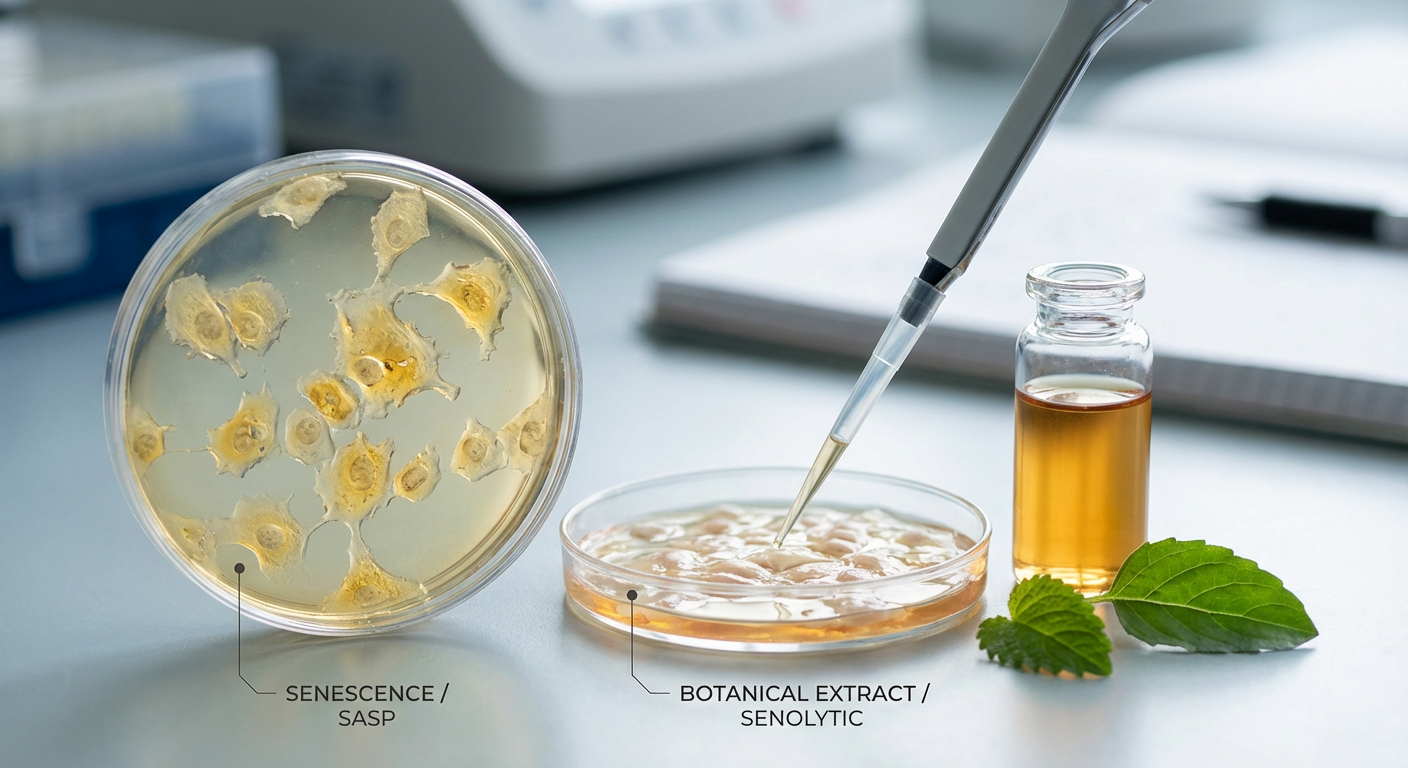
What is Cellular Senescence? Explaining "Zombie Cells" and Their Role in Skin Aging
Beyond Cynarin: The Role of Luteolin and Flavonoids in Artichoke Extract
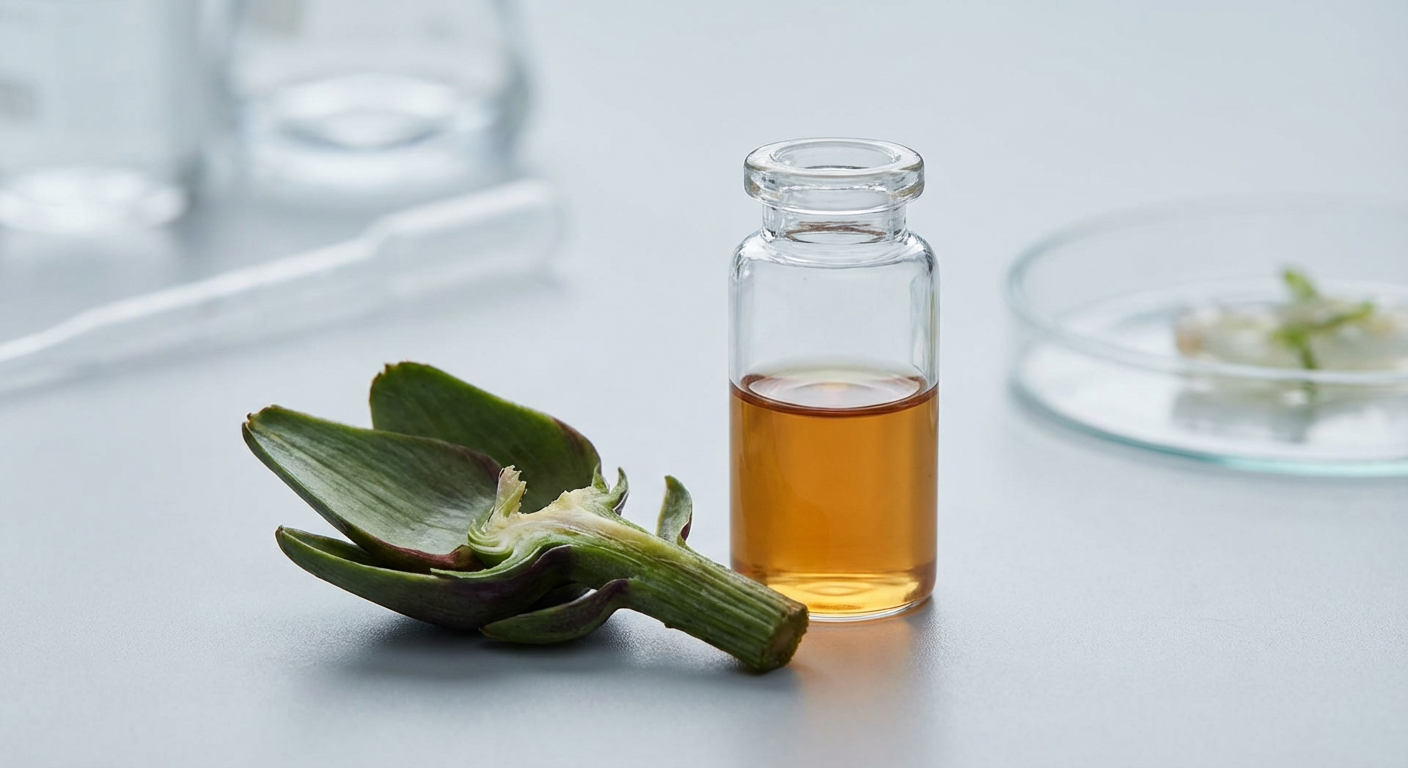
Inhibiting MMP-1: How Artichoke Extract Helps Preserve Dermal Collagen
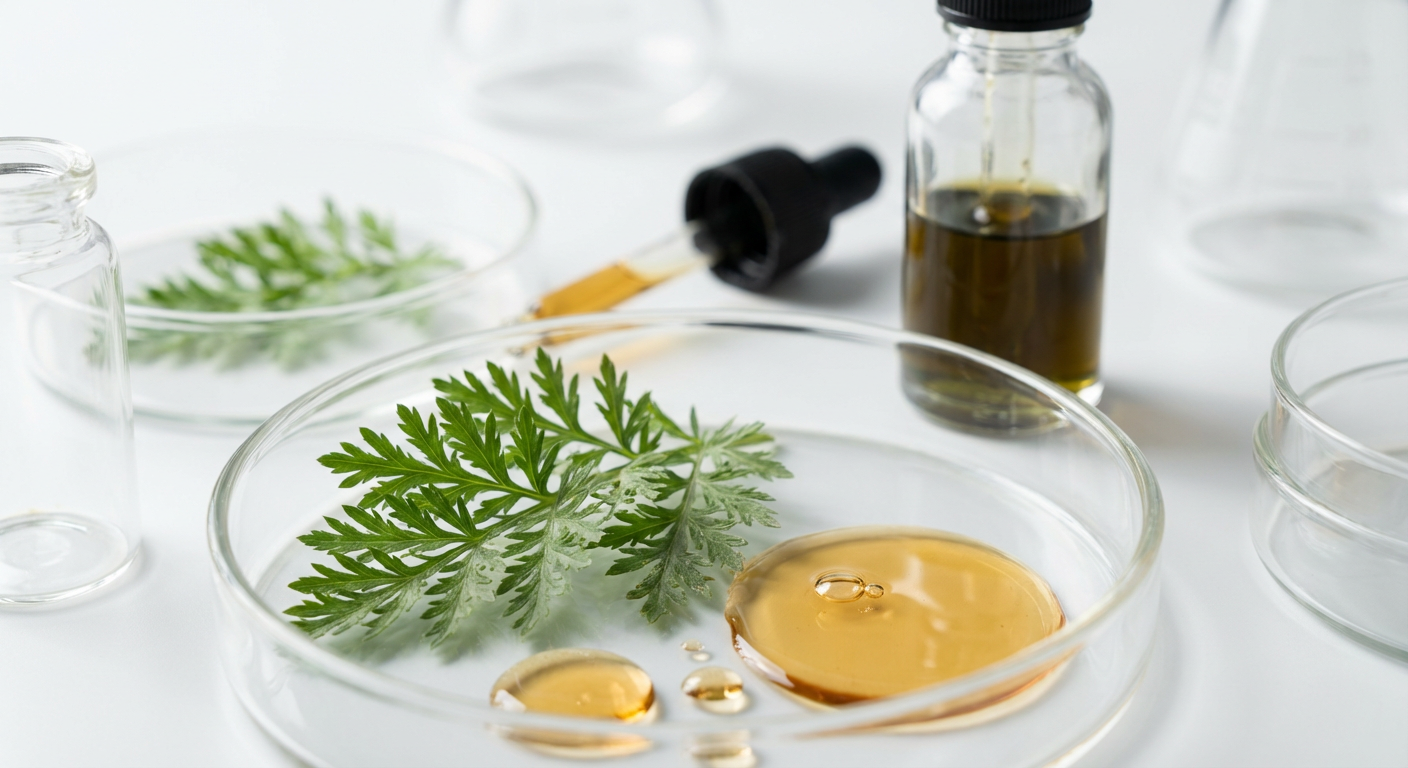
The Formulator's Guide to Artemisia Annua Bioactives for High-Potency Skincare
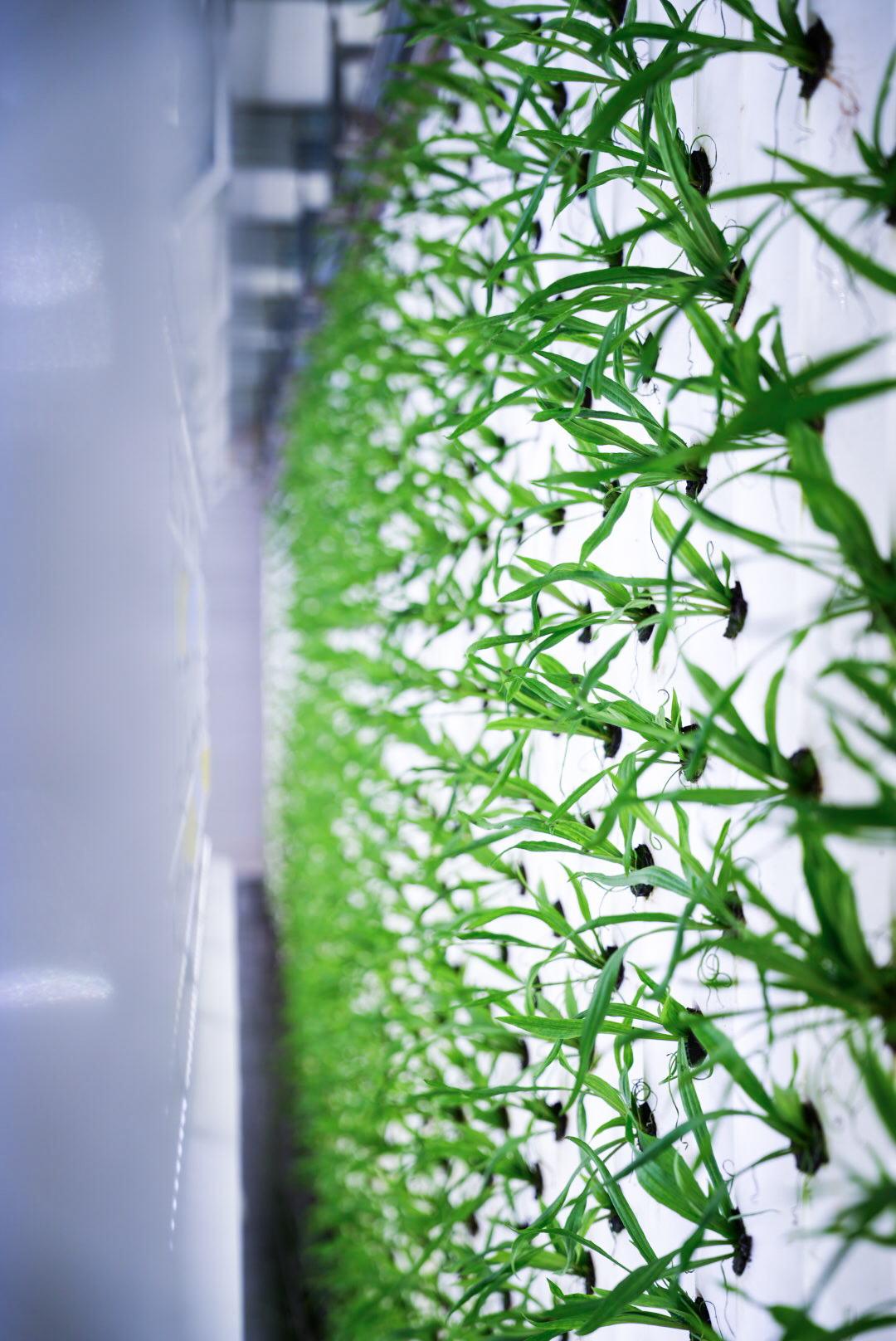
Can Plants Be Standardised?
Why Controlled Environment Agriculture Is Changing Botanical Ingredients. Learn how Controlled Environment Agriculture (CEA) reduces variability in botanical ingredients and enables more consistent phytochemical profiles for cosmetics, nutraceuticals, and pharmaceutical applications.
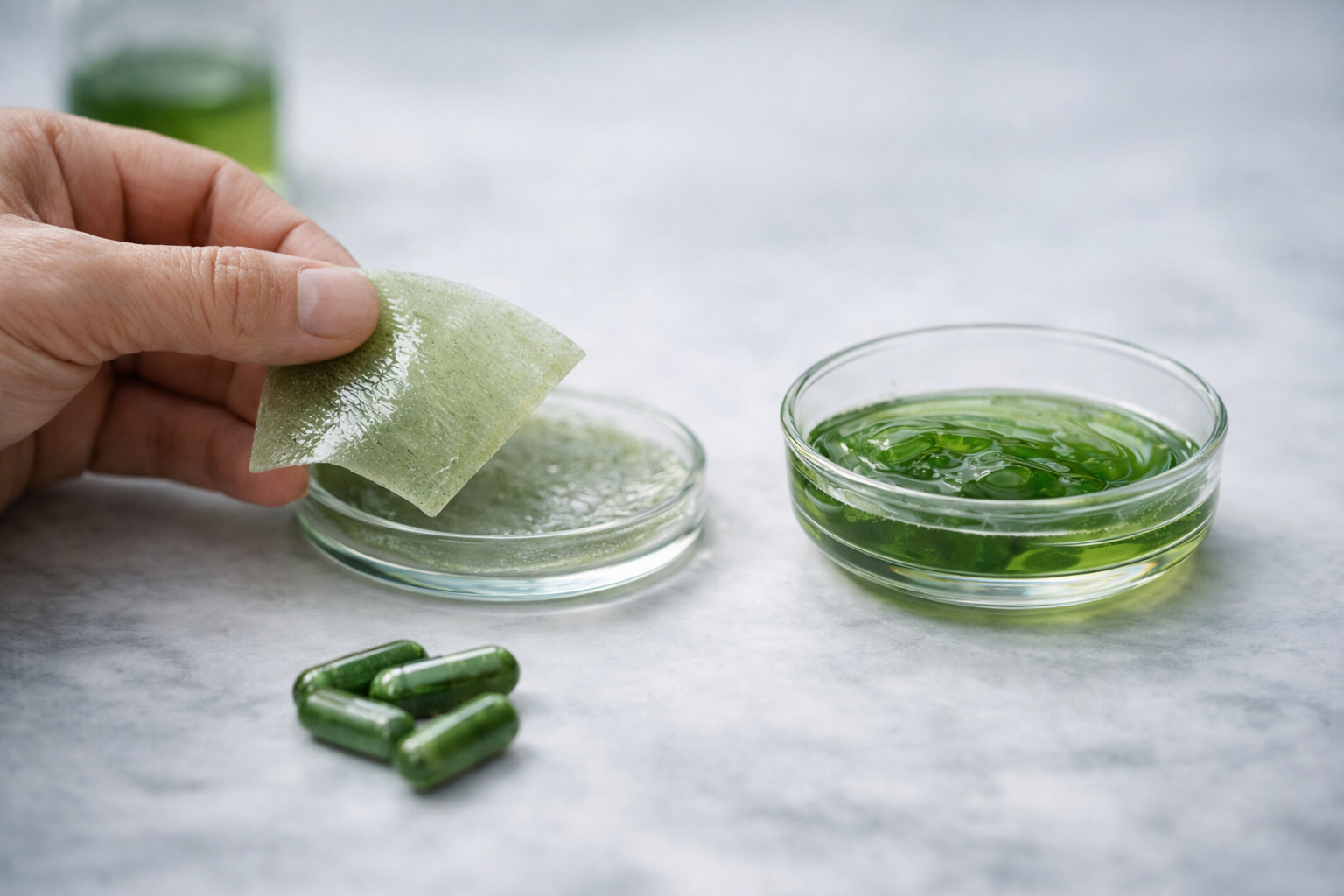
Cynara cardunculus in Wound Dressing Films: Lab Data
Cynara cardunculus extract (containing cynaropicrin) was integrated into chitosan wound dressing films. This study examined physical properties, cytotoxicity on fibroblasts, and IL-6 reduction in LPS-stimulated cells.
.jpg)
Artemisia annua Nanofibers for Advanced Wound Care
Discover how researchers engineered Artemisia annua extract into electrospun gelatin nanofibers, creating a sustained-release wound dressing with antibacterial properties and promising fibroblast compatibility.
.jpg)
Artemisia annua for Joint Health: What Lab Studies Show
Artemisia annua shows anti-inflammatory and analgesic properties in preliminary arthritis research. This review examines the evidence, limitations, and implications for botanical ingredient professionals.

Rethinking Artemisia annua in Cosmetic Formulation
Romanian researchers explored extraction methods for Artemisia annua hydroalcoholic extracts, testing antioxidant potential and emulsion stability to determine suitability for dermatocosmetic applications.
.jpg)
Artemisia annua Essential Oil for Skin: What Lab Research Shows
Artemisia annua essential oil showed anti-inflammatory activity in cell and animal studies. This review examines its composition, extraction, and potential as a topical botanical ingredient for cosmetic and dermatological formulation.
Melissa officinalis and Heart Research: What the Evidence Shows
A comprehensive review of Melissa officinalis cardiovascular research, from antioxidant activity and cardioprotective mechanisms to clinical implications for nutraceutical and botanical ingredient professionals.
.jpg)
Melissa officinalis for Skin: What Psoriasis Research Shows
Melissa officinalis ssp. altissima extracts showed anti-psoriatic activity in a mouse model, with triterpenes and polyphenols linked to reduced epidermal hyperplasia and improved skin barrier markers.
Melissa officinalis: Phytochemistry Meets Skin Science
Discover the phytochemical profile of Melissa officinalis extract—from monoterpenes to ursane-type triterpenes—and explore its relevance for cosmetic formulators and R&D professionals seeking botanical innovation.
Melissa officinalis and Sleep: What Clinical Data Shows
Clinical research examining Melissa officinalis tea's effects on anxiety, depression, and sleep quality in burn patients, with implications for mood-support formulation research.