Formulating for Calm: The Antimicrobial & Soothing Power of Artemisia Annua
Artemisia annua is effective for sensitive, acne-prone skin due to its potent anti-inflammatory properties, which suppress pro-inflammatory cytokines and modulate signaling pathways, alongside its ability to strengthen the skin barrier by restoring essential proteins.
Filters:
Artemisia Annua
Cosmetics
Our Research Focus
Reviewed by
:
Shirin Moradi. PhD
Read time
:
_
minutes
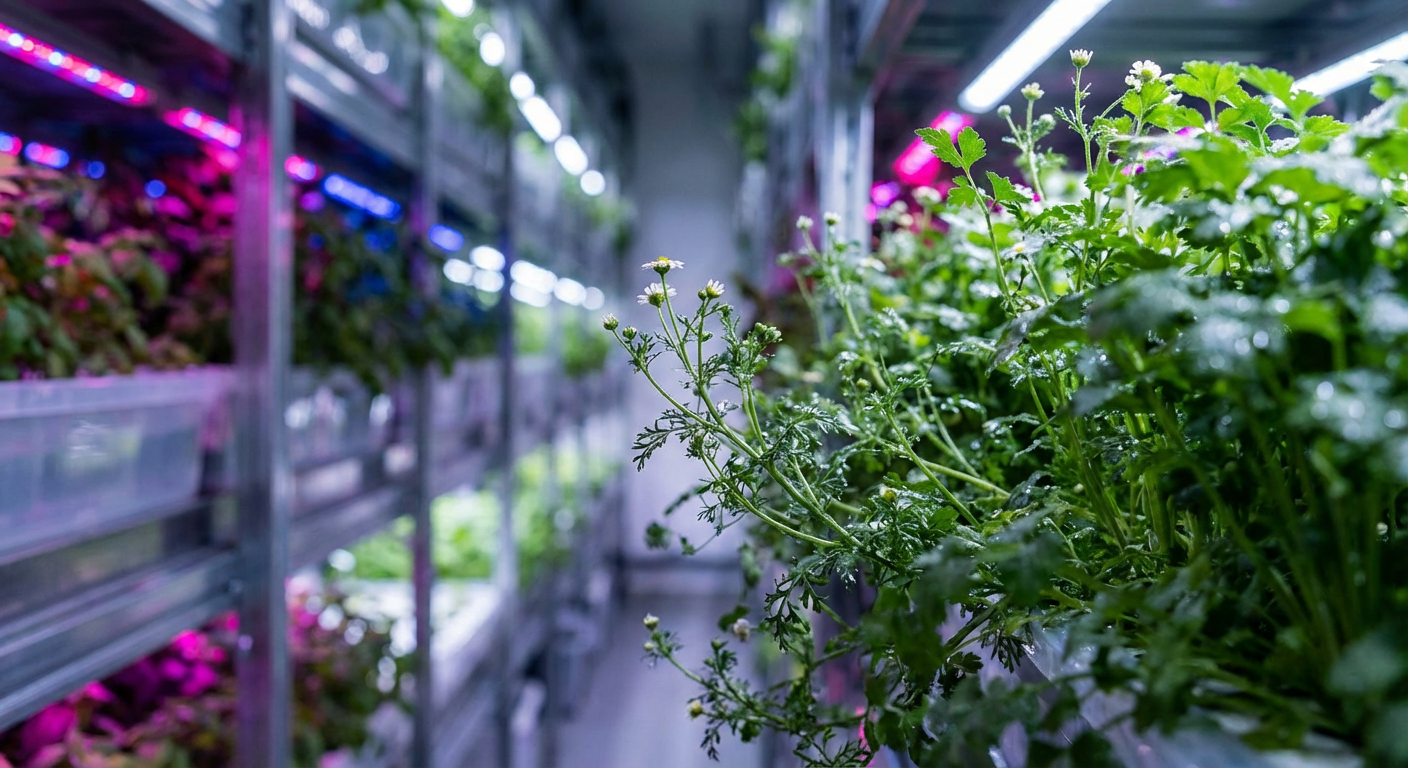
Close-up of Artemisia annua plant, showing its delicate leaves, conveying natural and potent botanical ingredients for skincare.

Quick answer

Artemisia annua is effective for sensitive, acne-prone skin due to its potent anti-inflammatory properties, which suppress pro-inflammatory cytokines and modulate signaling pathways, alongside its ability to strengthen the skin barrier by restoring essential proteins.
The burgeoning market for sensitive skin solutions, driven by increased awareness of skin barrier function and microbiome health, presents unique formulation challenges. Consumers seek efficacious, yet gentle, treatments for conditions like acne and redness without irritation. This landscape highlights the potential of botanicals like Artemisia annua (Sweet Wormwood) for sensitive, acne-prone skin. This article explores the scientific evidence supporting Artemisia annua's topical applications for anti-inflammatory, soothing, and barrier-repair properties.

Key Takeaways

  • Artemisia annua reduces skin inflammation via MAPK/NF-κB pathway modulation.
  • Extracts can restore skin barrier proteins like filaggrin and loricrin.
  • Combination with Centella asiatica shows synergistic soothing effects.
  • Requires careful formulation due to potential sensitivity in reactive individuals.

The Anti-inflammatory and Barrier-Repair Mechanisms of Artemisia Annua

Artemisia annua extracts and essential oils demonstrate significant anti-inflammatory and barrier-repair capabilities, making them relevant for sensitive, acne-prone skin formulations. These effects are mediated through multiple biochemical pathways. In a 2024 human clinical trial, a gel containing Artemisia annua extract (AAE) and Centella asiatica significantly reduced transepidermal water loss (TEWL) by approximately 17.95% and lowered redness scores. This indicates direct improvement in skin barrier function and a visible reduction in erythema.

An in vitro and in vivo study from 2023 further elucidated the anti-inflammatory mechanisms of Artemisia annua essential oil (AO). In LPS-stimulated RAW264.7 macrophages, AO suppressed nitric oxide, TNF-α, and IL-6 production. In a xylene-induced ear edema mouse model, AO reduced inflammatory cell infiltration and epidermal thickness, paralleling the efficacy of a commercial anti-inflammatory cream.

Modulation of Inflammatory Pathways

The anti-inflammatory effects of Artemisia annua are largely attributed to the modulation of key signaling pathways. This includes the inhibition of MAPK and NF-κB, central to many inflammatory responses.
  • Cytokine Suppression: AAE robustly suppresses pro-inflammatory cytokines such as TNF-α, IL-1α, IL-6, IL-8, and TSLP.
  • MAPK/NF-κB Inhibition: Essential oil from Artemisia annua significantly reduces IgE, TNF-α, IL-1β, and IL-6 by modulating MAPK/NF-κB signaling. This was observed in a mouse model of atopic dermatitis.
  • Psoriasis Model Efficacy: Topical AAE demonstrated anti-psoriatic effects comparable to clobetasol in a murine psoriasis model, reducing TNF-α, IL-17, IL-23, and VEGF.

Skin Barrier Restoration

Beyond inflammation, Artemisia annua actively contributes to strengthening the skin barrier, a critical aspect for sensitive and compromised skin. Barrier proteins are essential for skin integrity and protection.

A 2024 study on Artemisia annua combined with Centella asiatica extract showed AAE promoting keratinocyte migration and inhibiting TNF-α secretion in vitro and in zebrafish. This indicates cytocompatibility and the potential for epidermal repair. For formulators evaluating alternatives for skin barrier repair, tulsi extract offers complementary bioactives worth considering.

In advanced 3D epidermal models mimicking atopic dermatitis, 1% AAE restored key skin barrier proteins. These include filaggrin, loricrin, and desmoglein-1.

  1. Filaggrin: A protein crucial for corneocyte structure and natural moisturizing factor production.
  2. Loricrin: A major component of the cornified envelope, enhancing barrier strength and integrity.
  3. Desmoglein-1: A desmosomal cadherin involved in cell-cell adhesion within the epidermis.

Synergistic Formulations and Comparative Efficacy

Combining Artemisia annua with other well-established botanicals can amplify its soothing and barrier-repair properties. This approach addresses the multifaceted nature of sensitive, acne-prone skin.

The Role of Synergistic Combinations

The human clinical trial combining AAE with Centella asiatica (Cica) demonstrated enhanced efficacy beyond individual components. The co-formulation reduced TEWL and redness, highlighting a synergistic effect.

This synergy can be attributed to the complementary bioactives each plant offers. Centella asiatica is known for its triterpenes like madecassoside, which reduce redness, inflammation, and strengthen the barrier.

This makes a strong case for multi-ingredient formulations aimed at sensitive skin. Artemisia annua for acne specifically demonstrates benefits beyond inflammation reduction.

Comparison with Established Actives

To benchmark Artemisia annua's potential, it is useful to compare its effects with other widely recognized ingredients for redness and acne.
Ingredient Primary Mechanism for Acne/Redness Notes/Comparative Efficacy
Artemisia annua Extract Anti-inflammatory (MAPK/NF-κB), Barrier Repair (Filaggrin, Loricrin) Reduces TNF-α, IL-6, TEWL; promotes keratinocyte migration.
Tea Tree Oil (5%) Antimicrobial, Anti-inflammatory Matches 5% benzoyl peroxide in lesion reduction with fewer side effects (Cactus Botanics).
Salicylic Acid (2%) Exfoliant, Anti-inflammatory, Lipophilic OTC gold standard for anti-inflammatory acne; penetrates pores (Skincarisma).
Sulfur Keratolytic, Anti-septic, Anti-inflammatory Effective, gentle anti-acne, anti-redness agent (Who What Wear).

The anti-inflammatory effects of Artemisia annua extend beyond simple pore cleansing. Its ability to modulate cytokine production and positively impact barrier proteins positions it as a complementary ingredient rather than a direct replacement for traditional acne treatments. This makes Artemisia annua a strong candidate for sensitive formulations. Artemisia extract MIC test results also demonstrate its antimicrobial capacity against key skin pathogens.

Formulation Considerations and Safety Profile

While Artemisia annua offers significant benefits for sensitive, acne-prone skin, formulators must assess its safety profile and regulatory status carefully. Individual sensitivities in reactive users are a primary concern.

Potential for Sensitivity and Allergic Reactions

Some anecdotal reports from consumers indicate sensitivities or allergic reactions to Artemisia extracts. These can include contact dermatitis or hives, particularly among individuals with highly sensitive or atopic skin. Formulators should consider patch testing protocols for target consumer groups and include clear instructions for sensitive skin types. Specific chemical constituents within Artemisia annua may act as sensitizers for a subset of the population.

Regulatory Landscape and Safety Data Gaps

The regulatory status of Artemisia annua extracts for cosmetic use varies geographically. This creates a complex environment for product development.
  • Australian TGA: The Australian Therapeutic Goods Administration (TGA) identifies Artemisia annua among herbal ingredients requiring warning statements in listed medicines. This suggests a need for caution.
  • EMA/FDA: Regulatory classifications by entities like the European Medicines Agency (EMA) or the U.S. Food and Drug Administration (FDA) remain underdeveloped for A. annua specifically.
  • EWG Skin Deep: The Environmental Working Group (EWG) Skin Deep database flags Artemisia annua extract as having limited but present data. Its safety profile is inconclusive due to data gaps.

This necessitates a comprehensive approach to product safety studies. Toxicology and safety profiles can vary significantly across different Artemisia species and extraction methods. A 2025 phytomedicine review highlighted this variability.

Considerations for Extract Standardization

The efficacy and safety of Artemisia annua extracts depend heavily on their phytochemical profile. Standardization ensures consistent batch quality and predictable performance. Our proprietary abiotic/biotic stress protocols (UV-B, drought, MeJA, salinity, elicitors) upregulate secondary metabolites in Artemisia annua, resulting in high artemisinin concentrations (6270 mg/kg, ~9x internal R&D, independent analysis, CTAEX lab, 2025) and other beneficial compounds. Key phytochemicals for sensitive skin formulations include:
  • Artemisinin: Known for its potent anti-inflammatory properties.
  • Dihydroartemisinic acid & Artemisinic acid: Precursors or related compounds with potential bioactivity.
  • Flavonoids & Phenolic Acids: Contributing to antioxidant and soothing effects.
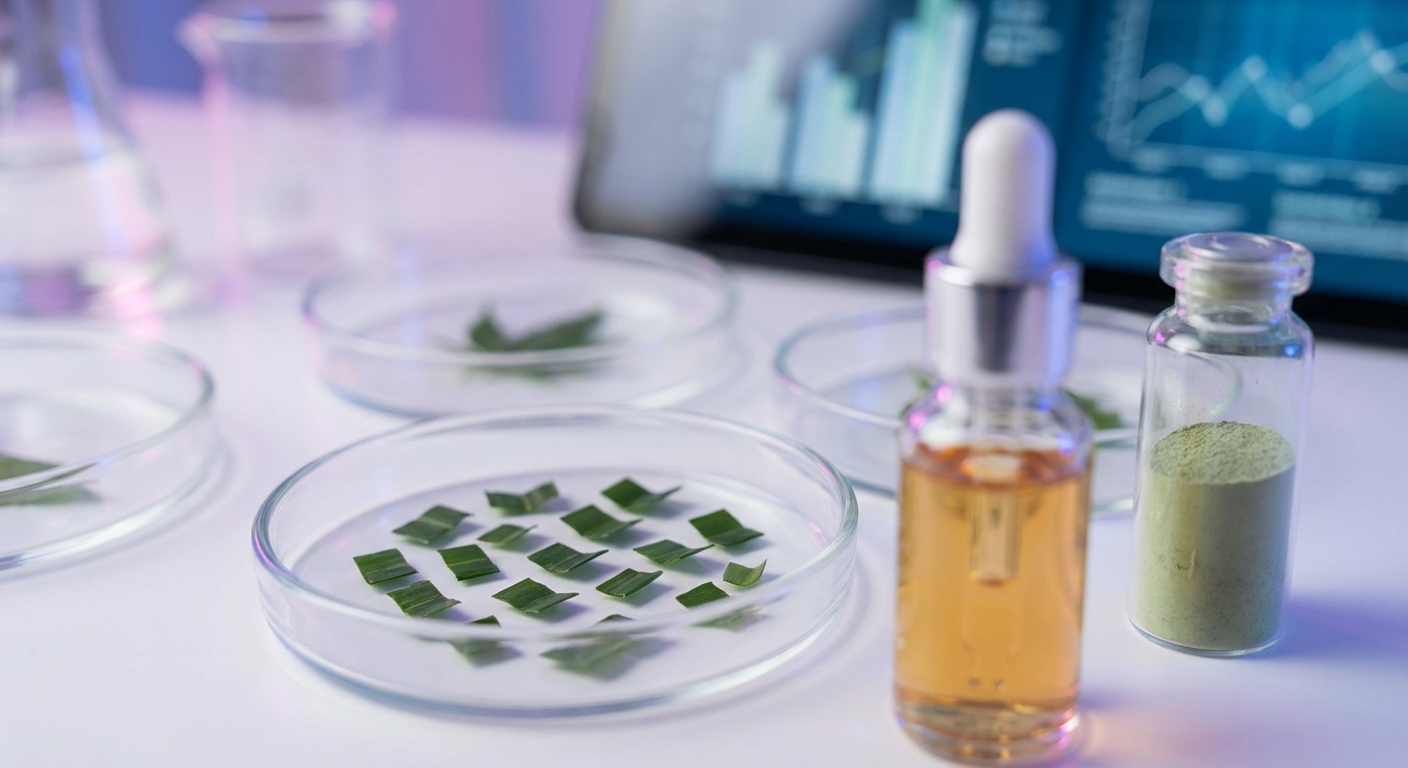
Zero pesticides and full European traceability further ensure a clean, pharma-grade input material.

Frequently Asked Questions

What makes Artemisia annua effective for sensitive acne-prone skin?

Artemisia annua is effective due to its potent anti-inflammatory properties, mediated by suppressing pro-inflammatory cytokines (e.g., TNF-α, IL-6) and modulating key signaling pathways like MAPK/NF-κB, combined with its ability to strengthen the skin barrier by restoring proteins like filaggrin and loricrin.

Can Artemisia annua be used alongside other acne treatments like salicylic acid?

Yes, Artemisia annua can be used alongside treatments like salicylic acid. While salicylic acid primarily exfoliates and is anti-inflammatory for pores, Artemisia annua addresses broader inflammatory responses and barrier repair, offering a complementary approach for sensitive, acne-prone skin.

Are there any known side effects or contraindications for topical Artemisia annua?

Topical Artemisia annua can cause sensitivities or allergic reactions, such as contact dermatitis or hives, in some individuals, particularly those with highly sensitive or atopic skin. Regulatory bodies like the Australian TGA suggest warning statements for products containing Artemisia species.

How does Supernormal Greens ensure the purity and potency of its Artemisia annua extract?

Supernormal Greens utilizes proprietary abiotic/biotic stress protocols (UV-B, drought, MeJA, salinity, elicitors) to trigger secondary metabolite upregulation, resulting in up to 9x higher potency for artemisinin compared to field-grown plants. This ensures batch-to-batch consistency, pharma-grade microbial cleanliness, and zero pesticides, all backed by full European traceability.

What specific compounds in Artemisia annua contribute to its soothing properties?

The soothing properties of Artemisia annua are primarily attributed to compounds like artemisinin, which is a potent anti-inflammatory. Other beneficial compounds include dihydroartemisinic acid, artemisinic acid, and various flavonoids and phenolic acids, which collectively contribute to its anti-inflammatory, antioxidant, and barrier-supporting effects.

Is Artemisia annua effective against Cutibacterium acnes, the bacteria associated with acne?

While Artemisia annua exhibits broad anti-inflammatory and soothing effects essential for acne-prone skin, specific data on its direct antimicrobial efficacy against Cutibacterium acnes (formerly P. acnes) varies. However, its overall anti-inflammatory action helps reduce the inflammatory component of acne, complementing antimicrobial treatments. What is a botanical antimicrobial agent can define further its role. The data supports categorizing Artemisia annua (Sweet Wormwood) as a high-value botanical for sensitive, acne-prone skin formulations. Its documented anti-inflammatory, soothing, and barrier-repair capabilities, achieved through specific molecular pathway modulation, position it as a key ingredient for advanced skincare. Formulators should prioritize high-purity, standardized extracts to ensure efficacy and mitigate potential sensitivities. Contact Supernormal Greens to request samples and specifications.
Interested in learning more?
Contact us

Related articles

Close-up of Holy Basil leaves, a source of Ursolic Acid, under controlled lighting in a vertical farm

What is Ursolic Acid? Understanding its Role in Collagen Synthesis and Skin Barrier Fortification

Delves into ursolic acid's scientific basis for improving skin health. It covers its mechanisms in stimulating collagen and elastin, strengthening the skin barrier through ceramide synthesis, and its potent anti-inflammatory and antioxidant properties, highlighting its utility for advanced cosmetic and nutraceutical formulations.
Rosmarinic
Cosmetics
Close-up of dried cloves, highlighting eugenol's primary natural source.

What is Eugenol? A Formulator’s Guide to its Antimicrobial and Sensory Properties

Discover eugenol, a potent antioxidant and antimicrobial compound. A guide for cosmetic and nutraceutical formulators.
Ocimum
Cosmetics
A close-up of green artichoke leaves, highlighting the natural source of cynarin, on a dark, scientific-looking background.

What is Cynarin? The Antioxidant Powerhouse in Artichoke for Anti-Aging Skincare

Explores cynarin, a key polyphenol from artichoke, highlighting its significant antioxidant and anti-aging benefits for skincare. It also details cynarin's role in liver health, digestion, and neuroprotection, providing B2B insights into sourcing high-potency, vertically farmed extracts and regulatory compliance for global markets.
Cynara Cardunculus
Nutraceuticals
Cosmetics

Related insights

Close-up of Holy Basil leaves, a source of Ursolic Acid, under controlled lighting in a vertical farm
April 7th, 2026

What is Ursolic Acid? Understanding its Role in Collagen Synthesis and Skin Barrier Fortification

Delves into ursolic acid's scientific basis for improving skin health. It covers its mechanisms in stimulating collagen and elastin, strengthening the skin barrier through ceramide synthesis, and its potent anti-inflammatory and antioxidant properties, highlighting its utility for advanced cosmetic and nutraceutical formulations.
Rosmarinic
,
Cosmetics
,
Close-up of dried cloves, highlighting eugenol's primary natural source.
April 7th, 2026

What is Eugenol? A Formulator’s Guide to its Antimicrobial and Sensory Properties

Discover eugenol, a potent antioxidant and antimicrobial compound. A guide for cosmetic and nutraceutical formulators.
Ocimum
,
Cosmetics
,
A close-up of green artichoke leaves, highlighting the natural source of cynarin, on a dark, scientific-looking background.
April 7th, 2026

What is Cynarin? The Antioxidant Powerhouse in Artichoke for Anti-Aging Skincare

Explores cynarin, a key polyphenol from artichoke, highlighting its significant antioxidant and anti-aging benefits for skincare. It also details cynarin's role in liver health, digestion, and neuroprotection, providing B2B insights into sourcing high-potency, vertically farmed extracts and regulatory compliance for global markets.
Cynara Cardunculus
,
Nutraceuticals
,
Cosmetics
,
Close-up of vibrant green tulsi (Ocimum sanctum) leaves under controlled vertical farm lighting
April 7th, 2026

The Role of Adaptogens in Anti-Aging: A Deep Dive into Tulsi's Cellular Mechanisms

Dissects the role of adaptogens, particularly tulsi, in anti-aging skincare, focusing on their cellular mechanisms and clinical substantiation. It covers how these botanicals address wrinkles, elasticity, and barrier function, while also examining critical regulatory considerations (EU & US) and the advantages of vertical farming for consistent, high-potency ingredient supply.
Ocimum
,
Cosmetics
,
Health
,