

Rosmarinic Acid
Rosmarinic Acid is a naturally occurring caffeic acid–derived polyphenolic ester found in aromatic herbs. It is widely studied for its potent antioxidant and anti-inflammatory activity and is often associated with skin-resilience and calming formulations. Because of its multi-target biological activity, it is increasingly explored in pharmaceutical, nutraceutical, and advanced cosmetic applications.
Markets: Cosmetics, Nutraceuticals, Pharma
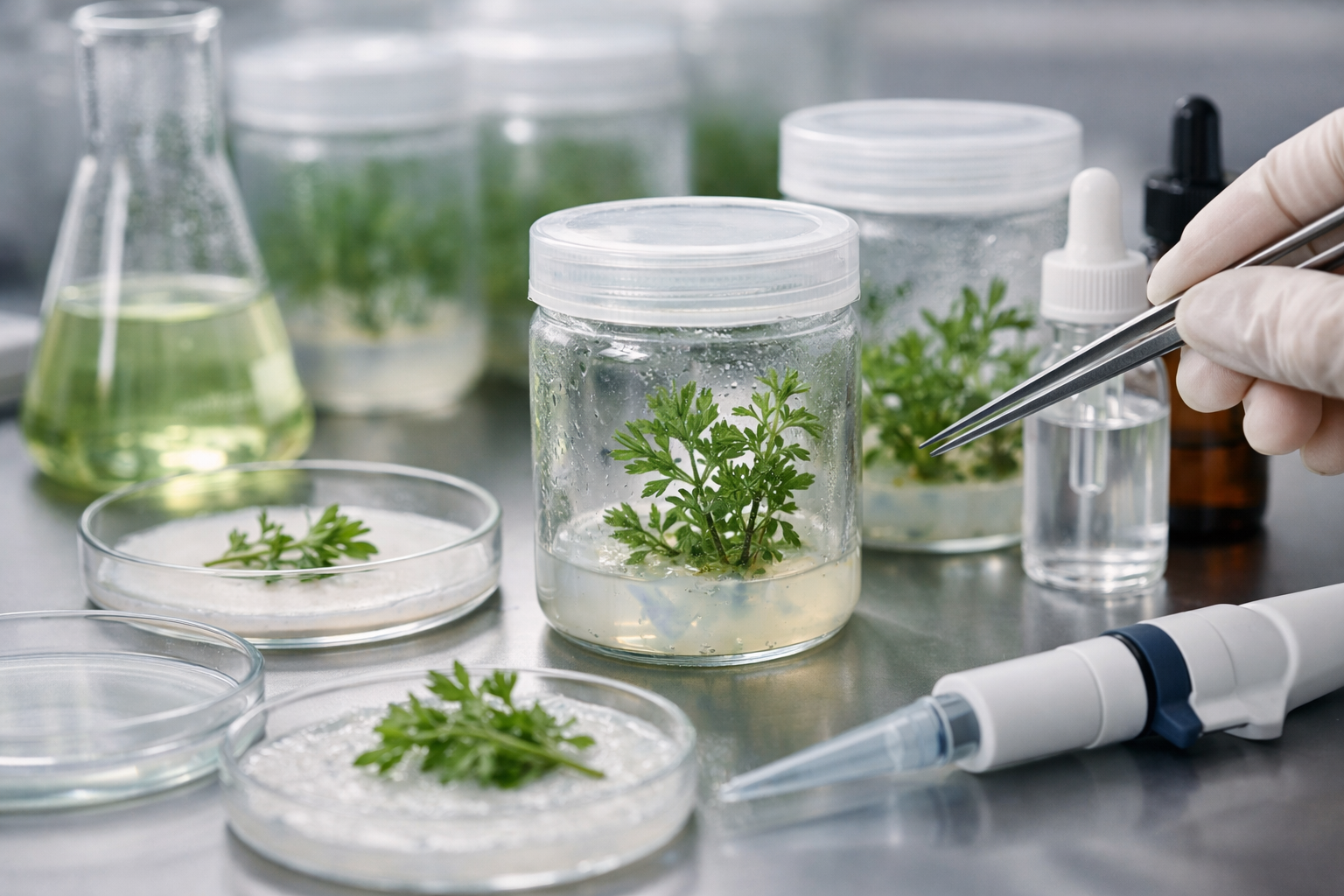
Cultivation Method: Controlled Environment Agriculture
.jpeg)
Compound Overview
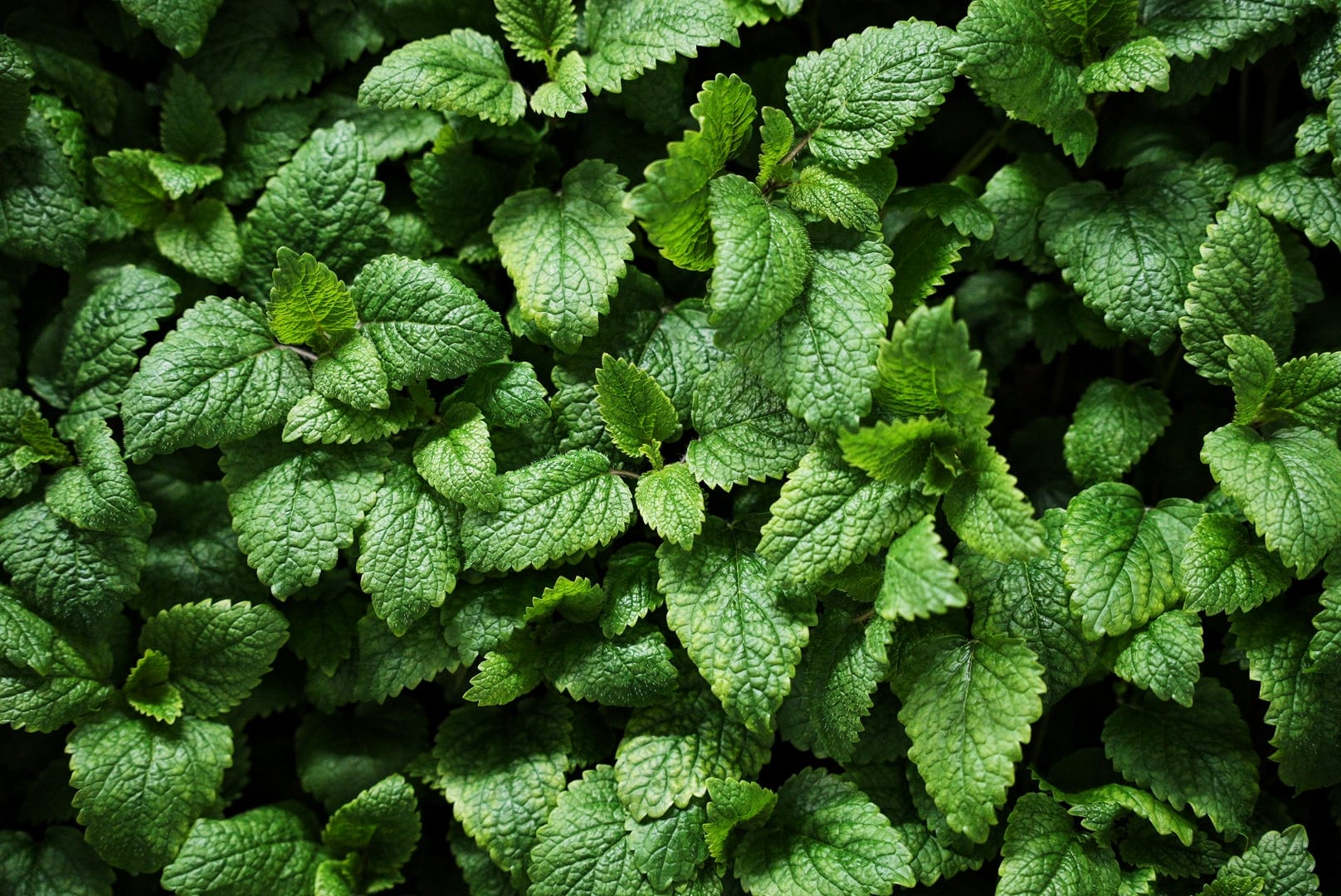
Rosmarinic Acid is a naturally occurring plant polyphenol belonging to the hydroxycinnamic acid family. It is formed as an ester of caffeic acid and 3,4-dihydroxyphenyllactic acid and occurs naturally in many aromatic plants, particularly species within the Lamiaceae (mint) family such as Melissa Officinalis.
The compound is widely recognized as one of the characteristic phenolic metabolites in Lemon Balm and related herbs. Because of its well-defined chemical structure and strong antioxidant properties, Rosmarinic Acid is frequently used as a reference compound when evaluating the polyphenol profile of botanical extracts.
Rosmarinic Acid has been studied across multiple biological contexts, including inflammatory signaling, oxidative stress pathways, and dermatological research. These research areas have contributed to its relevance in cosmetic, nutraceutical, and botanical product development.
Evidence-backed Applications
Rosmarinic Acid is a well-studied plant polyphenol widely present in species of the Lamiaceae family. Scientific literature has explored its biological activity across multiple research areas, particularly those related to inflammation, oxidative stress, skin biology, and microbial interactions. The sections below summarize key research contexts where Rosmarinic Acid has been investigated.
Rosmarinic Acid has been widely studied for its ability to modulate inflammatory signaling pathways, including cytokine and NF-κB responses, making it relevant in dermatological and immune-related research contexts.
The compound demonstrates strong antioxidant properties and has been investigated for its role in regulating oxidative stress pathways associated with cellular damage and environmental stress.
Rosmarinic Acid has been explored in skin-focused research related to irritation, redness, and barrier stress, contributing to its relevance in cosmetic and dermatological formulation development.
Studies have examined rosmarinic acid in the context of neuroinflammation and oxidative stress pathways in the central nervous system, contributing to ongoing research in neurological health.
Research has also explored the compound’s potential influence on metabolic and lipid-related pathways, contributing to its investigation in broader nutraceutical and health-related research areas.

Rosmarinic Acid in Melissa Officinalis
Lemon Balm contains multiple bioactive constituents; in analytical and botanical literature, Rosmarinic Acid is commonly cited among key phenylpropanoids in Melissa Officinalis.
Variability can be influenced by:
- Genotype and cultivation strategy
- Growth stage and harvest window
- Light intensity and spectrum
- Temperature stability and stress exposure
- Post-harvest handling (drying, storage, extraction method)
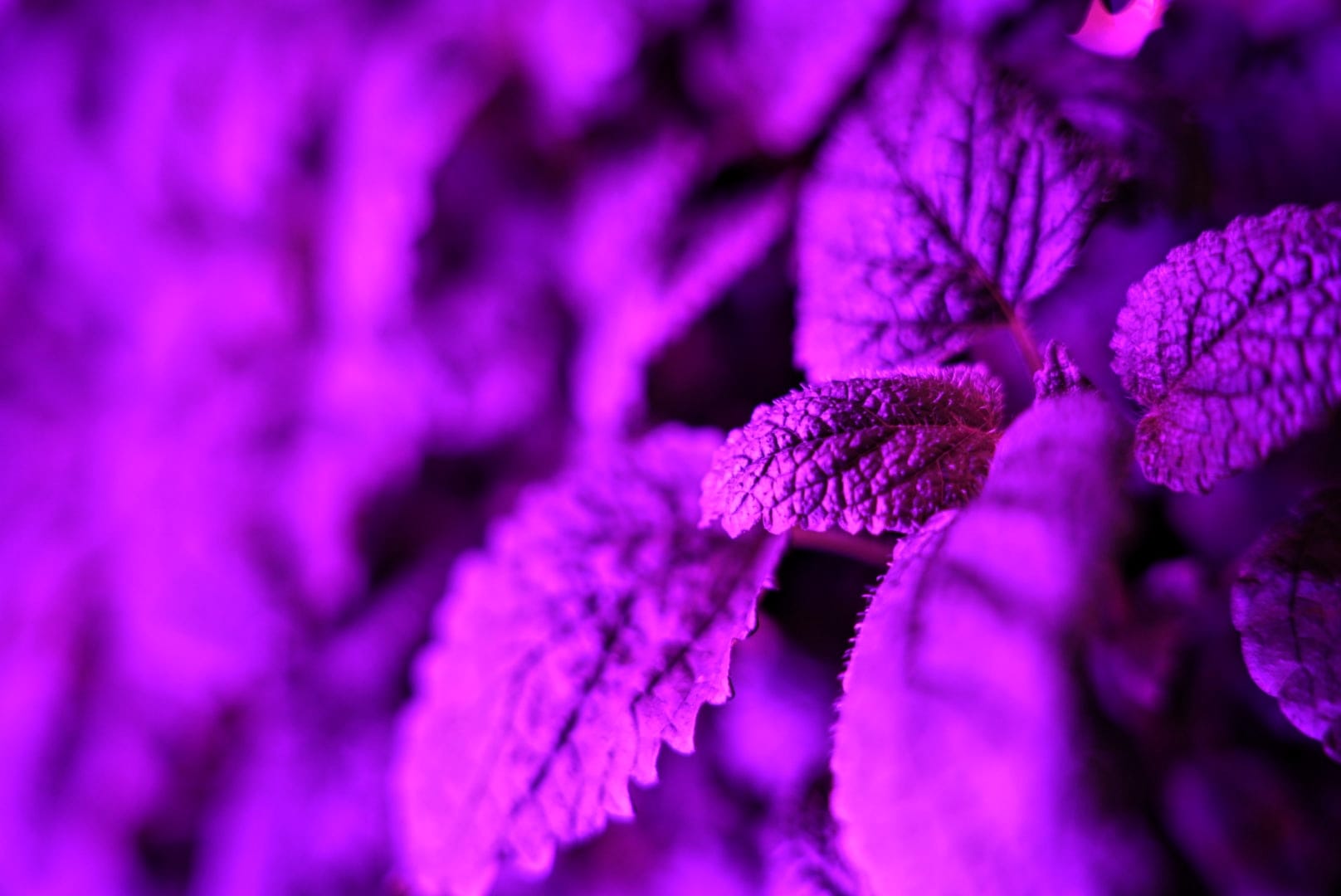
Controlled Environment Agriculture enables high potency with consistent quality batch after batch.
Why Controlled Cultivation Matters
Controlled cultivation enables:
For procurement and QA teams, this supports:
- Easier evaluation of supplier material
- Stronger documentation for audits and internal review
- More repeatable plant inputs for formulation or research pipelines
Application Snapshot
Q&A
Rosmarinic Acid is a plant-derived polyphenol commonly described as a caffeic acid ester and widely referenced in analytical and botanical literature.
Professionally, it is commonly evaluated as part of a broader phenolic fingerprint in plant material—where batch comparability and documentation matter.
No. This page focuses on botanical sourcing, profiling, and professional evaluation only.
This page is written for:
- R&D scientists
- Formulators / product developers
- Procurement & sourcing teams
- Regulatory & QA professionals across Nutraceuticals, Cosmetics, and Pharma-adjacent research.
Latest Insights
How Polyphenols Like Rosmarinic Acid Modulate the Gut Microbiome to Improve Skin Health
Rosmarinic Acid vs. Ursolic Acid: Which Phytochemical is a Better Fit for Your Anti-Aging Formula?
Targeting an Inflammatory Master Switch: How Eugenol and Rosmarinic Acid Inhibit NF-κB in Skin