

What is Ursolic Acid? Understanding its Role in Collagen Synthesis and Skin Barrier Fortification
Quick answer
The global cosmetic ingredients market is experiencing significant growth in demand for scientifically-backed natural compounds with demonstrable efficacy. Ursolic acid for skin, a pentacyclic triterpenoid, emerges as a potent ingredient due to its multifaceted benefits. This article will explore its mechanisms for enhancing skin health, from collagen synthesis to barrier fortification.
Key Takeaways
Ursolic acid stimulates collagen and elastin production, mitigating skin aging.
It enhances skin barrier function by promoting ceramide synthesis.
Potent anti-inflammatory properties reduce redness and irritation.
Exhibits antioxidant and photoprotective actions against environmental stressors.
Consistent sourcing and standardization are crucial for product efficacy.
Ursolic Acid: A Multi-faceted Powerhouse for Skin Health
Ursolic acid (UA) is a naturally occurring pentacyclic triterpenoid carboxylic acid found in various plants. Its notable dermatological applications stem from its ability to address multiple pathways associated with skin aging and damage. Research highlights its potential across anti-aging, barrier repair, and anti-inflammatory roles. UA functions by modulating key cellular activities within the skin. This includes influencing gene expression related to structural proteins and lipid synthesis. Its pleiotropic effects make it a versatile compound for advanced cosmetic and nutraceutical formulations.
Key Biological Activities of Ursolic Acid in Skin
Collagen synthesis stimulation
Elastin protection and production
Ceramide synthesis enhancement
Inflammatory pathway modulation
Free radical scavenging
UV-induced damage mitigation
Boosting Collagen and Elastin: Ursolic Acid's Anti-Aging Promise
Ursolic acid significantly contributes to skin elasticity and firmness by stimulating collagen synthesis. An in vitro study from 2001 demonstrated UA's direct effect on dermal fibroblasts, indicating its role in promoting collagen production. This action helps to counteract age-related collagen degradation. UA also protects existing collagen from enzymatic breakdown, preserving structural integrity. A 2023 study highlighted its mechanism through TGF-β signaling, which is crucial for collagen production. This dual action makes it a valuable compound for anti-aging formulations.
Mechanisms of Collagen and Elastin Enhancement
Direct fibroblast stimulation: Encourages dermal fibroblasts to produce more collagen.
TGF-β pathway activation: Modulates growth factors essential for collagen synthesis.
Inhibition of collagenases: Protects collagen fibers from enzymatic degradation.
Elastin preservation: Contributes to maintaining skin's elastic properties.
Improved dermal matrix organization: Leads to enhanced skin integrity and firmness.
Strengthening the Skin Barrier: Ursolic Acid's Role in Ceramide Synthesis
The skin barrier is critical for protection against environmental insults and for retaining moisture. Ursolic acid enhances this barrier function by promoting ceramide synthesis. Ceramides are essential lipids that form the matrix of the stratum corneum, regulating water permeability. A 2002 research paper noted that UA can increase ceramide levels, thereby reducing transepidermal water loss (TEWL). This leads to improved skin hydration and resilience. For formulators evaluating alternatives like rosmarinic acid vs ursolic acid, UA's distinct ceramide-boosting effect offers a unique advantage for barrier repair.
Impact of Ursolic Acid on Skin Barrier
Mechanism | Benefit to Skin |
|---|---|
Promotes Ceramide Synthesis | Strengthens lipid barrier, reduces TEWL |
Enhances Lipid Organization | Improves integrity and cohesion of stratum corneum |
Increases Hydration | Reduces dryness, flakiness, and sensitivity |
Protects against External Stressors | Fortifies defense against pollutants and irritants |
Calming Inflammation: The Anti-inflammatory Benefits of Ursolic Acid
Chronic inflammation is a significant contributor to skin aging and various dermatological conditions. Ursolic acid exhibits substantial anti-inflammatory properties, making it valuable for soothing irritated skin. This effect has been documented in various pharmacological reviews. UA mediates its anti-inflammatory actions by inhibiting key pro-inflammatory enzymes such as COX-2 and iNOS. An in vivo study from 2015 demonstrated UA's ability to mitigate skin damage caused by chronic inflammation and reduce erythema. Ingredient buyers seeking multi-functional botanical extracts can leverage this attribute for products targeting sensitive or compromised skin.
Anti-inflammatory Pathways Affected by Ursolic Acid
COX-2 inhibition: Reduces prostaglandin synthesis, alleviating pain and inflammation.
iNOS suppression: Decreases nitric oxide production, mitigating inflammatory responses.
Cytokine modulation: Downregulates pro-inflammatory cytokines while potentially upregulating anti-inflammatory ones.
NF-κB pathway regulation: Blocks a central pathway in inflammatory signaling.
Beyond Age-Defying: Antioxidant and Photoprotective Actions
In addition to its collagen-boosting and anti-inflammatory properties, ursolic acid functions as a potent antioxidant. It scavenges free radicals, protecting skin cells from oxidative stress induced by environmental factors like UV radiation and pollution. A 2021 review on antioxidant phytochemicals in skincare underscored UA's capacity in this area. Its photoprotective capabilities were further highlighted in a 2008 study. Ursolic acid protects against UV-induced damage, which is a primary cause of premature skin aging and hyperpigmentation. This makes it a compelling ingredient for daytime skincare formulations.
Additional Skin Benefits of Ursolic Acid
Free radical scavenging: Neutralizes reactive oxygen species (ROS), preventing cellular damage.
Upregulation of antioxidant enzymes: Enhances the skin's intrinsic defense mechanisms.
Protection against UV radiation: Reduces photo-oxidative stress and DNA damage.
Potential wound healing: Experimental studies suggest UA promotes skin repair.
Sourcing and Standardization: Ensuring Quality Ursolic Acid for Your Formulations
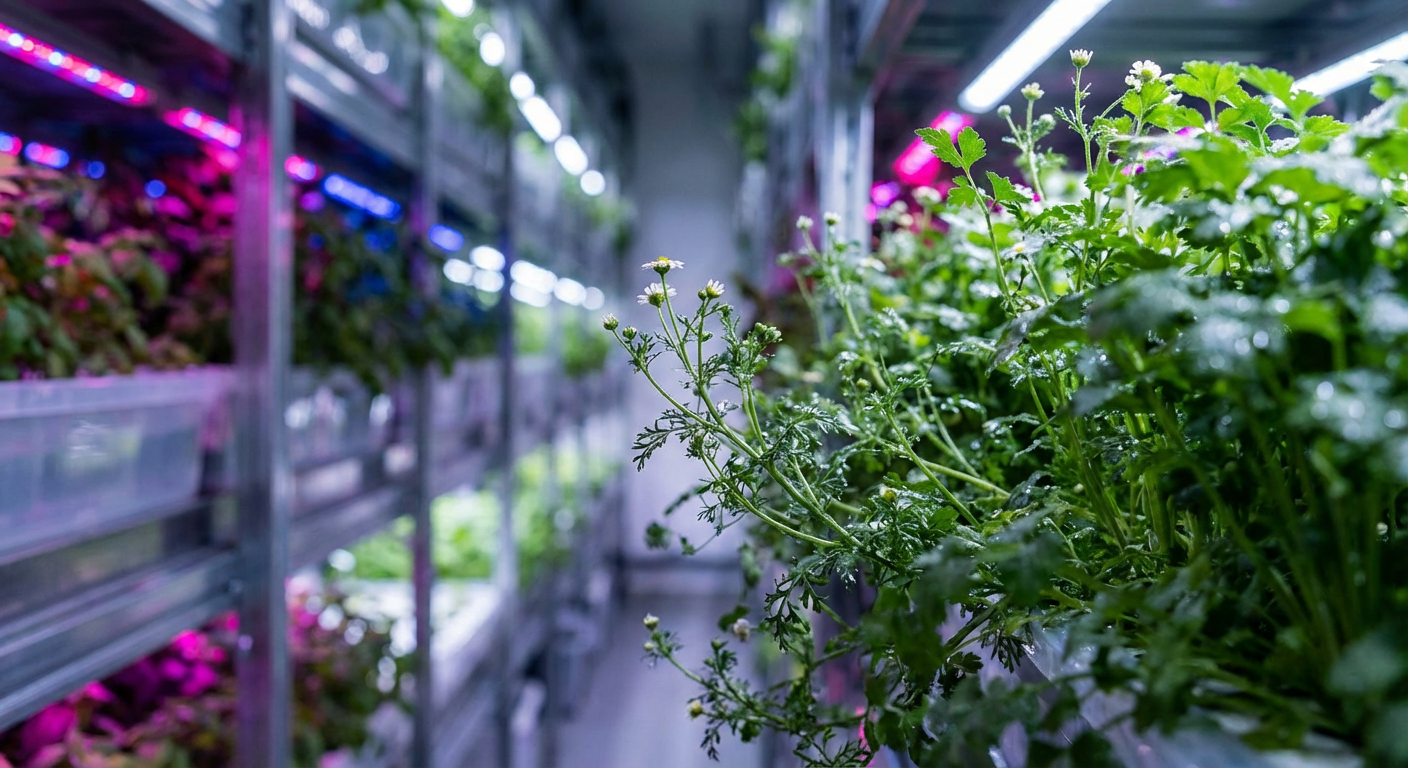
The efficacy of ursolic acid in cosmetic and nutraceutical formulations is directly linked to its purity and consistent content. Sources of UA include apple peels, rosemary, cranberries, and particularly Ocimum sanctum (Holy Basil), where Supernormal Greens has achieved notable concentrations. The variability of UA concentration based on plant source, growing conditions, and extraction methods was highlighted in a 2017 study. Standardization ensures batch-to-batch consistency and predictable performance. Supernormal Greens utilizes proprietary abiotic and biotic stress protocols, including UV-B and elicitors, to upregulate secondary metabolite production. Our Ocimum sanctum, for example, contains high levels of ursolic acid and eugenol, with eugenol levels reaching 9416 mg/kg, verified by independent analysis (CTAEX lab, 2025). This controlled environment mitigates the impact of external variables common in field cultivation.
Quality Control Measures for Ursolic Acid Extracts
Controlled environment agriculture: Vertical farming ensures optimal growth conditions.
Abiotic/biotic stress protocols: Enhances targeted secondary metabolite production.
Phytochemical profiling: Verifies the presence and concentration of ursolic acid and co-actives.
Batch-to-batch consistency: Guarantees uniform potency and performance.
Microbial cleanliness: Pharma-grade standards significantly reduce contamination risks.
Regulatory Landscape and Market Opportunities for Ursolic Acid
Currently, ursolic acid is not regulated as a standalone drug active, but its presence in various botanical extracts is widely accepted in cosmetic and nutraceutical products. Regulatory bodies like the FDA and EFSA evaluate the safety of botanical extracts containing UA. Understanding these guidelines is crucial for product development and market entry. The market for natural ingredients in cosmetics and nutraceuticals is experiencing significant growth, as indicated by a 2023 market research report. The EU Critical Raw Materials Act emphasizes resilient supply chains for key botanical ingredients. Supernormal Greens' approach provides 100% EUDR-compliant botanicals by design, ensuring full European traceability and mitigating supply chain risks associated with imported field-grown materials. This positions high-quality, sustainably sourced ursolic acid as a strategic ingredient for upcoming formulations, aligning with market demands for transparency and environmental responsibility.
Market Drivers for Ursolic Acid
Growing consumer demand for natural, evidence-based ingredients.
Regulatory pressures favoring sustainably sourced and traceable botanicals.
Increased focus on skin barrier health and anti-inflammatory solutions.
Demand for multifunctional ingredients offering comprehensive skin benefits.
The hair loss market, exceeding €12B, also creates demand for ingredients like Eclipta prostrata, which contains ursolic acid analogues.
Frequently Asked Questions
What are the primary sources of ursolic acid for cosmetic and nutraceutical applications?
Primary sources of ursolic acid include numerous plants, such as apple peels, rosemary (Rosmarinus officinalis), cranberries (Vaccinium macrocarpon), and Holy Basil (Ocimum sanctum), with concentrations varying depending on growing conditions and cultivar.
How does ursolic acid compare to other popular anti-aging ingredients regarding collagen stimulation?
Ursolic acid stimulates collagen synthesis via fibroblast activation and TGF-β signaling, offering a comparable mechanism to traditional anti-aging ingredients like retinoids, but from a natural, botanical source. Its co-action to protect against collagen degradation provides an additional benefit.
What is the optimal concentration of ursolic acid for topical formulations targeting ceramide synthesis?
Optimal concentrations typically range from 0.1% to 1% in topical cosmetic formulations, though specific efficacy depends on the extract's purity, formulation type, and synergistic ingredients. Studies suggest observable benefits commence within this range for ceramide synthesis.
Are there any regulatory restrictions or approvals required for using ursolic acid in cosmetic products in the EU or US?
Ursolic acid itself is not a standalone regulated active ingredient; however, its botanical sources must comply with relevant cosmetic ingredient regulations in the EU (e.g., COSMOS, REACH, EUDR for sourcing) and the US (e.g., FDA guidelines for cosmetic safety).
Can ursolic acid be synergistically combined with other active ingredients for enhanced skin benefits?
Yes, ursolic acid can be synergistically combined with various actives. Its anti-inflammatory properties pair well with soothing ingredients, while its antioxidant action complements other radical scavengers. Combining it with ingredients targeting different pathways can amplify overall efficacy.
What are the typical extraction methods for ursolic acid, and how do they impact purity and yield?
Common extraction methods include conventional solvent extraction (e.g., ethanol, methanol), supercritical fluid extraction, and ultrasound-assisted extraction. Each method influences purity, yield, and co-extraction of other compounds; more selective methods can enhance UA concentration.
How can Supernormal Greens guarantee consistent ursolic acid content in its botanicals?
Supernormal Greens guarantees consistent ursolic acid content through controlled environment vertical farming, proprietary abiotic/biotic stress protocols that upregulate secondary metabolites, and rigorous post-harvest analytical verification via independent labs (e.g., CTAEX lab, 2025).
What clinical data supports the efficacy of ursolic acid for skin health in human subjects?
While extensive in vitro and in vivo (animal) studies support ursolic acid's efficacy, fewer large-scale human clinical trials have been published specifically for topical applications. Existing data primarily comes from smaller studies and observations within botanical extract formulations.
Are there any potential side effects or allergic reactions associated with topical application of ursolic acid?
Ursolic acid is generally regarded as safe for topical use when derived from natural sources at physiological concentrations. Allergic reactions are rare and typically linked to hypersensitivity to the source plant, not the isolated compound. Patch testing is always recommended for novel formulations.
What is the market size and growth forecast for natural anti-aging or skin barrier ingredients like ursolic acid?
The market for natural anti-aging and skin barrier ingredients is experiencing significant growth, driven by consumer demand for cleaner labels and sustainable sourcing. Forecasts indicate continued expansion, particularly for botanicals substantiated by scientific data. The multi-functional capabilities of ursolic acid make it a compelling ingredient for advanced cosmetic and nutraceutical formulations. Its proven efficacy in collagen synthesis, skin barrier fortification, and inflammation reduction addresses key consumer needs in the anti-aging and skin health sectors. As the market pivots towards sustainable, traceable, and highly efficacious natural ingredients, standardized ursolic acid extracts offer a strategic advantage. Contact Supernormal Greens to request samples and specifications.