

How to Create a Soothing Face Mist with Artemisia Annua for Redness-Prone Skin
Quick answer
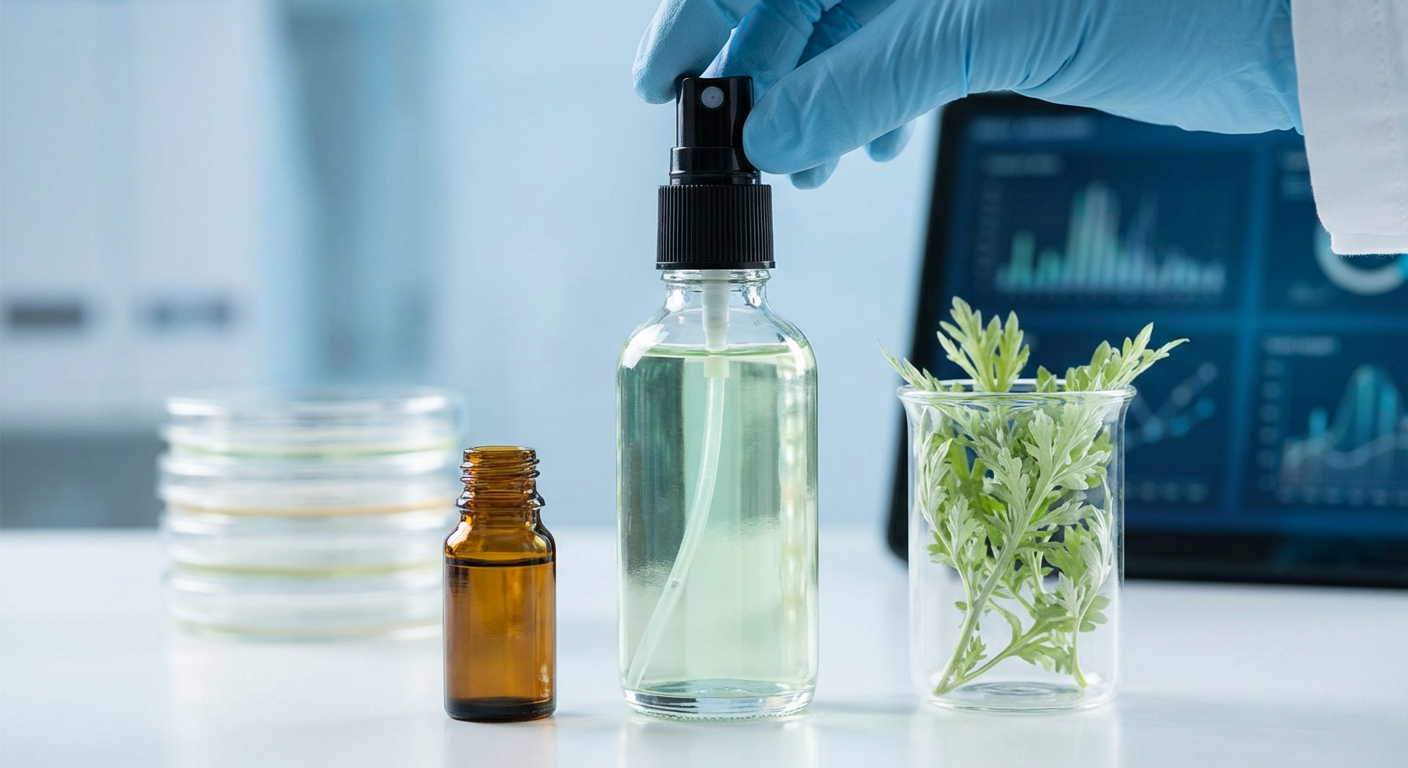
The burgeoning market for sensitive skin solutions has driven demand for soothing botanical ingredients. However, securing consistent, high-potency raw materials for anti-redness formulations presents increasing supply chain and quality control challenges. This article outlines key considerations for formulating a face mist with Artemisia annua specifically for redness-prone skin, focusing on ingredient selection, safety, and stability.
Key Takeaways
Unpreserved facial mists face high microbial contamination risks within 72 hours.
Artemisia annua extracts offer anti-inflammatory action via MAPK and NF‑κB pathways.
Niacinamide enhances barrier function and tone in mist formulations.
Robust preservation and stability testing are non-negotiable for cosmetic safety.
Microbial Safety and Preservation in Soothing Face Mists
Formulating a soothing face mist demands rigorous attention to microbiological integrity due to its water-based nature. Unpreserved DIY formulations are highly susceptible to contamination, with reports of microbial growth within 72 hours leading to facial infections. Ensuring product safety begins with a comprehensive preservation strategy.
Why is Microbiological Stability Critical for Face Mists?
Water activity in mist formulations creates an ideal environment for microbial proliferation. Contamination can introduce pathogens like Elizabethkingia miricola, posing dermatitis and other infection risks. A 2026 science-based formulation guideline emphasizes the necessity of validated broad-spectrum preservatives to mitigate these hazards.
Effective Preservation Systems for Water-Based Formulations
Selecting the correct preservative system is crucial for cosmetic stability and consumer safety. Combination approaches are often most effective, addressing a wider range of microbial threats.
Broad-Spectrum Preservatives: Sodium benzoate and potassium sorbate, effective at pH ≤ 4.5, are common choices. Ethylhexylglycerin (at ≥ 0.5% w/w) also offers broad-spectrum activity.
pH Optimization: Maintaining the formulation pH within the optimal range for the chosen preservatives is essential for their efficacy.
Clean-Label Considerations: Balancing efficacy with clean-label requirements often involves utilizing novel preservative blends or systems that are less sensitizing while conforming to regulatory standards.
Hydrosols and Botanical Components for Reactive Skin
Hydrosols form the foundational aqueous phase of many face mists, contributing both hydration and therapeutic properties. Their botanical origins lend a natural profile, but careful selection is required for redness-prone and reactive skin.
Selecting Hydrosols for Anti-Inflammatory Effects
A blend of specific hydrosols can synergistically enhance the soothing and hydrating benefits of a face mist. These components should be chosen for their proven efficacy and low allergenic potential.
Rose Damascena Hydrosol: Offers anti-inflammatory, antioxidant, and humectant benefits, though it contains potential fragrance allergens such as geraniol.
Chamomile Hydrosol: Known for its soothing properties; a 2017 study notes chamomile creams reduced UVB-induced inflammation in humans.
Cucumber Hydrosol: Provides cooling and hydrating effects beneficial for irritated skin.
Helichrysum Hydrosol: Valued for its regenerative and anti-inflammatory attributes, aiding in calming redness.
Synergistic Botanical Extracts
Beyond hydrosols, specific botanical extracts can fortify the anti-redness efficacy. Willow bark extract (salicin) and panthenol offer anti-inflammatory, humectant, and sebum-controlling benefits for sensitive skin, according to a 2026 ingredient breakdown. These ingredients work in concert to support the skin barrier and reduce irritation.
Artemisia: Anti-Redness Mechanisms and Formulation Challenges
Artemisia annua and other Artemisia species are gaining recognition in cosmetic formulations for their extensive anti-inflammatory and soothing properties. However, effective utilization requires understanding their active compounds and optimal extraction.
Bioactive Compounds and Their Anti-Inflammatory Pathways
Artemisia species demonstrate significant anti-inflammatory, moisturizing, and UV-protective activities. Key bioactives modulate inflammatory signaling pathways.
Casticin: This flavonoid exhibits anti-inflammatory effects. Topical products containing Artemisia annua have shown ability to reduce skin redness and inflammation.
Other Flavonoids: Compounds like artemetin and chrysosplenol also contribute to the anti-inflammatory profile.
Mechanism of Action: Artemisia extracts reduce atopic dermatitis symptoms by inhibiting p38 MAPK and NF-κB signaling pathways, as detailed in a 2025 Preprints.org review.
Optimizing Extraction for Cosmetic Efficacy
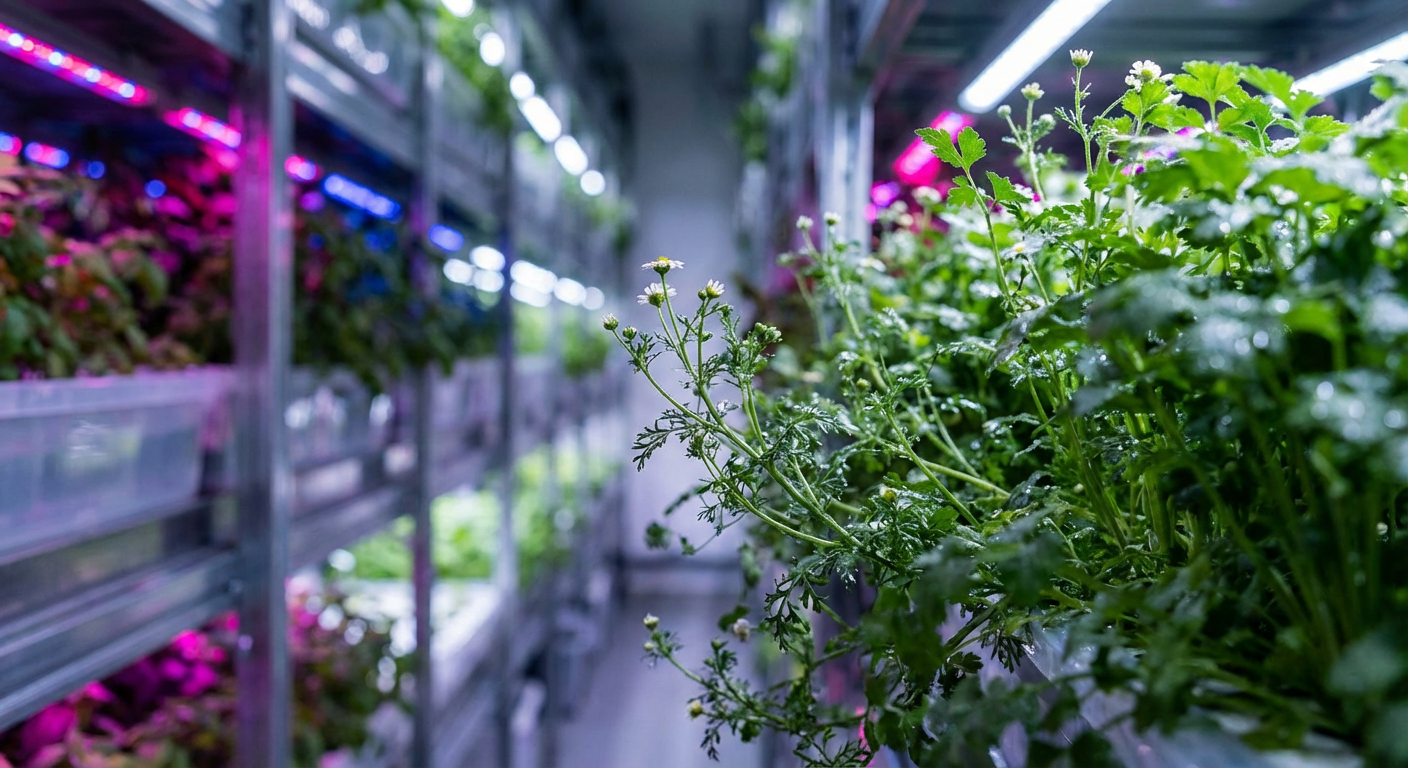
Efficient extraction of specific compounds like casticin is critical for maximizing therapeutic potential in formulations. Early studies indicate that certain extraction methods, such as those used for tea infusions, yield less than 2% casticin recovery, underscoring the need for specialized processes. Vertical farming offers precise control over growth conditions and elicitation, which can significantly enhance the secondary metabolite profile of Artemisia annua. This proprietary stress protocol can yield up to ~9x more artemisinin, for example, than field-grown counterparts, influencing anti-inflammatory casticin content.
For formulators evaluating alternatives, artemisia annua for acne management offers a complementary approach to redness reduction.
Niacinamide and Humectant Strategies for Hydration and Tone
Beyond direct anti-inflammatory agents, ingredients that support skin barrier function and hydration are crucial for soothing redness-prone skin. Niacinamide is a multifunctional ingredient well-suited for mist formulations.
The Role of Niacinamide in Skin Health
Niacinamide (Vitamin B3) offers multiple benefits critical for sensitive and reactive skin. Its integration into face mist formulations enhances overall skin resilience.
Ceramide Production: Niacinamide boosts the synthesis of ceramides, which are essential lipids for a robust skin barrier.
Moisture Regulation: It helps to regulate transepidermal water loss (TEWL), thereby improving skin hydration.
Anti-Inflammatory Action: Niacinamide reduces visible irritation and redness, contributing to a more even skin tone, as highlighted in a Caraline Skincare article.
Incorporating Humectants for Enhanced Efficacy
In addition to niacinamide, incorporating other humectants can further elevate a mist's hydrating capabilities. These draw moisture from the environment into the skin.
Humectant | Primary Benefit | Application in Mists |
|---|---|---|
Glycerin | High water-binding capacity | Standard humectant, well-tolerated |
Sodium Hyaluronate | Penetrates well, retains significant moisture | Provides deep hydration, plumping effect |
Panthenol (Pro-Vitamin B5) | Humectant, anti-inflammatory, barrier support | Soothes, moisturizes, promotes healing |
The synergy between niacinamide and these humectants ensures a comprehensive approach to hydration and barrier support.
Innovative Ingredients: Hypochlorous Acid and Formulator Considerations
The cosmetic landscape continuously seeks gentle, yet effective, ingredients for sensitive skin. Hypochlorous acid (HOCl) has emerged as a compelling option for anti-redness mists.
Hypochlorous Acid in Cosmetic Formulations
HOCl is a naturally occurring compound in the immune system, known for its antimicrobial and anti-inflammatory properties. Its cosmetic application leverages these attributes without typical irritant concerns.
Gentle Efficacy: HOCl sprays, such as Bee Naturals' Calm Mist, are dermatologist-tested and hypoallergenic, making them suitable for sensitive, acne-prone, rosacea, and eczema-prone skin.
Redness Reduction: It actively calms redness and irritation through its established anti-inflammatory pathways.
Preservative-Free Potential: Certain HOCl formulations can be stable without traditional preservatives, appealing to the clean-beauty market segment.
Formulation and Regulatory Challenges with HOCl
While promising, HOCl integration demands precise formulation to maintain stability and efficacy. The pH must be carefully controlled, typically around 4.5, to ensure the active hypochlorous acid species persists. Regulatory status varies by region but generally recognizes HOCl as a cosmetic-grade ingredient when pH-balanced. When considering new actives, comparing artemisia extract mic test results with other established agents can inform ingredient selection.
Designing B2B-Ready Mists from Vertical Farm Botanicals
The sourcing of botanical ingredients is increasingly scrutinized for sustainability, traceability, and efficacy. Vertical farming offers unique advantages for high-value medicinal botanicals like Artemisia annua.
The Vertical Farming Advantage for Botanical Extracts
Vertical farming platforms like Supernormal Greens provide unparalleled control over cultivation, leading to superior active compound profiles.
Enhanced Potency: Proprietary abiotic/biotic stress protocols (UV-B, drought, MeJA, salinity) trigger secondary metabolite upregulation via xenohormesis. This yields 3–30 times higher potency compared to field-grown varieties.
Batch-to-Batch Consistency: Controlled environments ensure uniform growth and predictable phytochemical composition, crucial for reproducible cosmetic formulations.
Pharma-Grade Cleanliness: Enclosed systems remove pesticide dependency and limit microbial contamination, providing pharmaceutical-grade raw materials.
Sustainability and Traceability: A Life Cycle Assessment (LCA) by Martin (2023) showed 0.72 kg CO₂-eq/kg, significantly lower than average vertical farms (1.9) and imports (1.4). Full European traceability and EUDR-compliance by design address critical market demands, especially given that 35–55% of tropical supply may be non-compliant by 2027.
Positioning Vertical-Farm-Sourced Botanicals
For B2B buyers, transparent communication regarding sourcing, purity, and efficacy data provides a competitive edge. Highlight the absence of pesticides, the enhanced concentrations of key compounds like artemisinin (6270 mg/kg in our Artemisia annua), and verifiable sustainability metrics. This differentiates ingredients in a market increasingly prioritizing ethical and high-performance components.
Frequently Asked Questions
How can we assure microbiological safety in our soothing face mist?
Microbiological safety is assured by incorporating broad-spectrum preservatives like sodium benzoate and potassium sorbate (effective at pH ≤ 4.5) or ethylhexylglycerin (≥ 0.5% w/w). Consistent pH control and stability testing are also crucial to prevent microbial contamination common in unpreserved water-based formulations.
What Artemisia species and extraction methods are most effective and stable?
Artemisia annua, A. argyi, and A. iwayomogi are effective, exhibiting anti-inflammatory and soothing properties. Optimized extraction methods are critical for high yields of bioactives like casticin; traditional infusions may only yield less than 2%. Vertical farming techniques can enhance secondary metabolite content and consistency.
Which hydrosols provide the best soothing and hydration for reactive skin?
Rose damascena, chamomile, cucumber, and helichrysum hydrosols are recommended for reactive skin. These botanical waters offer anti-inflammatory, antioxidant, and humectant benefits, contributing to hydration and calming redness. Careful selection is needed due to potential allergens in some hydrosols.
What preservative systems meet both efficacy and clean‑label requirements?
Systems balancing efficacy and clean-label appeals often combine validated broad-spectrum preservatives with naturally derived antimicrobials. Sodium benzoate and potassium sorbate, paired with pH adjustment, are effective. Alternatives under evaluation include fermented ingredients and plant-derived compounds, provided they meet rigorous challenge testing.
How can niacinamide enhance both hydration and tone in a mist format?
Niacinamide enhances hydration by boosting ceramide production and regulating transepidermal water loss. Its anti-inflammatory properties reduce visible redness and irritation, leading to a more even skin tone, making it a key multifunctional ingredient in face mist formulations.
Is HOCl a viable active for anti‑redness mists in cosmetics regulation?
Yes, hypochlorous acid (HOCl) is a viable active. It is recognized for its antimicrobial and anti-inflammatory effects. When formulated within a stable pH range (typically around 4.5), HOCl mists are gentle, hypoallergenic, and effective for calming redness, acne, rosacea, and eczema, complying with cosmetic regulations.
What dosage ranges for Artemisia extracts are safe and effective for topical use?
Typical dosage ranges for botanical extracts like Artemisia in cosmetics are generally 0.5–1%. However, effectiveness depends on extract potency and specific compound concentration. Safety is established through patch testing and dermatological evaluation to ensure non-irritancy for sensitive skin types.
How to test for fragrance allergens in hydrosols like rose or chamomile?
To test for fragrance allergens, formulators should refer to the Certificate of Analysis (CoA) from the hydrosol supplier, which lists known allergens such as geraniol or citronellol. Additionally, performing patch tests on a diverse user group can identify potential sensitivities before market launch.
What are the stability considerations for botanical-rich face mists?
Stability considerations for botanical-rich face mists include microbial spoilage, oxidation of active compounds, and color/odor changes. Manufacturers must conduct accelerated and real-time stability testing under various conditions (temperature, light) to ensure product integrity and efficacy throughout its shelf life, alongside robust preservation.
How to position vertical‑farm‑sourced botanicals as a B2B differentiator?
Position vertical-farm-sourced botanicals by emphasizing their unparalleled advantages: 3–30 times higher potency of key bioactives, exceptional batch-to-batch consistency, pharmaceutical-grade microbial cleanliness, absence of pesticides, and full European traceability. Highlight the significant sustainability benefits, such as a 0.72 kg CO₂-eq/kg carbon footprint, and complete EUDR compliance. Formulating effective anti-redness solutions requires a deep understanding of botanical science, rigorous safety protocols, and resilient supply chains. Vertical farming offers a unique opportunity to secure high-potency, consistent Artemisia annua extracts meeting these stringent demands. This approach ensures not only superior product performance but also aligns with the evolving regulatory landscape and consumer preferences for sustainable, high-quality ingredients. Contact Supernormal Greens to request samples and specifications.