

What is Inflammaging? Understanding the Link Between Chronic Inflammation and Premature Aging
Quick answer
The global nutraceuticals market is projected to approach USD 919.1 billion by 2030, reflecting sustained demand for healthy-aging offerings amidst evolving consumer awareness. A key area of scientific interest within this landscape is inflammaging, a chronic inflammatory state distinct from acute inflammation. Understanding what is inflammaging provides a framework for developing targeted interventions, particularly with botanicals. This article will explore the mechanisms, biomarkers, and regulatory considerations surrounding inflammaging, focusing on its relevance for B2B buyers.
Key Takeaways
Inflammaging is a chronic, low-grade inflammatory state linked to aging.
Senescence-associated secretory phenotype (SASP) drives inflammaging.
Biomarkers like IL-6 and CRP correlate with inflammaging and frailty.
Permissible claims require careful navigation of EU and US regulations.
What Is Inflammaging?
Inflammaging refers to the chronic, sterile, low-grade inflammatory state that increases with age and contributes to the risk of age-related diseases. This concept provides an immune-metabolic viewpoint, distinguishing it from acute immune responses. The updated 2023 Hallmarks of Aging framework positions inflammation as a cross-cutting driver, interacting with multiple other hallmarks including cellular senescence and mitochondrial dysfunction.
Inflammaging differs from temporary, acute inflammation in its persistence and systemic nature. It involves continuous activation of innate immune pathways without overt infection, leading to chronic low-level cytokine production. This sustained inflammatory signaling gradually impacts tissue function and homeostasis.
Hallmarks of Inflammaging
Persistent activation: Chronic, non-resolving immune response
Systemic impact: Affects multiple organs and physiological systems
Low-grade: Subclinical elevation of inflammatory markers
Age-associated: Incidence and severity increase with chronological age
Multifactorial origin: Driven by genetic, environmental, and lifestyle factors
Core Mechanisms: Senescence, SASP, and Inflammasomes
Cellular senescence plays a central role in driving inflammaging, primarily through the senescence-associated secretory phenotype (SASP). Senescent cells, which accumulate with age, secrete a range of pro-inflammatory cytokines, chemokines, and proteases. These secreted factors, including IL-6, IL-1β, and TNF-α, reinforce inflammation locally and systemically, contributing to tissue remodeling and dysfunction.
The NLRP3 inflammasome is another key mechanism accelerating chronic inflammation during aging. This multiprotein complex senses pathogen-associated molecular patterns (PAMPs) and danger-associated molecular patterns (DAMPs), then triggers the maturation and release of pro-inflammatory cytokines like IL-1β and IL-18. Overactivation of the NLRP3 inflammasome contributes to diverse age-related disorders, amplifying the inflammatory cascade.
Key Inflammaging Pathways
Mechanism | Description | Consequence |
|---|---|---|
Cellular Senescence | Irreversible cell cycle arrest in response to stress. | Accumulation of senescent cells in tissues. |
SASP | Secretory profile of senescent cells (IL-6, IL-1β, TNF-α). | Local and systemic propagation of inflammation. |
NLRP3 Inflammasome | Innate immune complex sensing DAMPs/PAMPs. | Enhanced IL-1β/IL-18 cytokine production. |
Mitochondrial Dysfunction | Impaired mitochondrial function and increased ROS production. | Fuels inflammatory signaling and oxidative stress. |
Impact of SASP Components
The specific components of the SASP exert varied effects on surrounding tissues. Matrix metalloproteinases (MMPs), for example, contribute to extracellular matrix degradation and tissue remodeling. This remodeling can impair tissue function and contribute to visible signs of aging.
Microbiome, Barrier Integrity, and Systemic Cross‑Talk
The gut microbiome significantly modulates inflammaging. Age-associated dysbiosis, characterized by shifts in microbial composition and reduced diversity, can compromise gut barrier integrity. This compromise allows for increased translocation of bacterial components, such as lipopolysaccharides (LPS), into the systemic circulation.
Such translocated molecules activate innate immune receptors, including Toll-like receptors (TLRs), triggering low-grade chronic inflammation. This systemic immune activation contributes to the overall inflammaging burden and can impact distant organs. The skin microbiome also plays a role in local barrier function and immune modulation. Botanical anti-inflammatory ingredients can address systemic and localized inflammation.
Gut-Skin Axis in Inflammaging
Gut Dysbiosis: Age-related shifts in gut microbial composition.
Barrier Dysfunction: Increased intestinal permeability ("leaky gut").
Translocation of Metabolites: Bacterial products enter systemic circulation.
Systemic Inflammation: Activation of immune cells and cytokine release.
Skin Manifestations: Worsening of inflammatory skin conditions or accelerated skin aging.
Strategies for Supporting Barrier Health
Maintaining strong barrier function, both in the gut and skin, is crucial for mitigating inflammaging. Strategies include dietary interventions, pre/probiotic supplementation, and topical applications that support epithelial integrity. Bioactive compounds like those found in Cynara cardunculus (Artichoke) and Ocimum sanctum (Holy Basil) may offer benefits for gut health and systemic inflammation, respectively.
Biomarkers and Clinical Correlates (CRP, IL‑6, Frailty)
Elevated levels of specific inflammatory biomarkers reliably track with inflammaging and correlate with adverse clinical outcomes. C-reactive protein (CRP), a general inflammatory marker, and interleukin-6 (IL-6), a key pro-inflammatory cytokine, are among the most studied. Chronic elevation of these markers predicts greater morbidity and mortality in older adults.
Frailty, a state of increased vulnerability to stressors, is closely linked to inflammaging. Studies like the VITAL study have demonstrated a direct relationship between serum inflammaging markers (e.g., YKL-40, IL-6, CRP) and the progression of frailty in older populations. This association highlights inflammaging as a modifiable factor in healthy aging.
Key Inflammaging Biomarkers
High-Sensitivity C-Reactive Protein (hs-CRP): Systemic inflammation.
Interleukin-6 (IL-6): Pro-inflammatory cytokine, often correlated with advanced age.
Tumor Necrosis Factor-alpha (TNF-α): Pro-inflammatory cytokine.
YKL-40 (Chitinase-3-like protein 1): Associated with tissue remodeling and inflammation.
IL-1β: Potent pro-inflammatory cytokine, involved in inflammasome activation.
Clinical Implications of Biomarker Elevation
Monitoring these biomarkers in clinical and research settings provides valuable insights into an individual's inflammatory status and potential risk for age-related decline. The CANTOS trial, for instance, showed that inhibiting IL-1β reduced major adverse cardiovascular events, validating inflammation as a therapeutic target.
Skin Inflammaging: Barrier, Collagen, and Visible Aging
Skin inflammaging manifests through distinct changes in barrier function, extracellular matrix (ECM) integrity, and cellular dynamics. Chronic low-grade inflammation in the skin accelerates the degradation of structural proteins like collagen and elastin. This is partly due to the increased activity of MMPs, often driven by SASP factors released from senescent dermal fibroblasts.
The skin's barrier function is also compromised in inflammaging, leading to increased transepidermal water loss (TEWL) and heightened susceptibility to environmental stressors. This barrier decline and collagen degradation contribute directly to the visible signs of aging, including wrinkles, laxity, and altered texture. Botanical ingredients like those from Melissa officinalis (Lemon Balm) with high rosmarinic acid show potential in addressing oxidative stress relevant to skin integrity.
Visible and Microscopic Changes in Skin Inflammaging
Barrier Dysfunction: Increased TEWL, reduced resilience.
Collagen Degradation: Breakdown of Type I collagen.
MMP Overexpression: Increased activity of matrix metalloproteinases.
Senescent Fibroblasts: Accumulation in the dermis.
Reduced Elasticity: Loss of skin firmness and recoil.
Targeting Cutaneous Inflammaging
Interventions for skin inflammaging often focus on protecting the ECM, supporting barrier function, and modulating inflammatory pathways. This includes ingredients with antioxidant properties, compounds that reinforce the skin barrier, and actives that can influence SASP or MMP activity. Sourcing high-purity botanicals with consistent bioactive profiles is crucial for these formulations.
Intervention Landscape: From Lifestyle to Targeted Pathways
Addressing inflammaging involves a multifaceted approach, from broad lifestyle modifications to highly targeted molecular interventions. Regular physical activity, particularly resistance training, has been shown to reduce inflammatory biomarkers like CRP and IL-6 in middle-aged and older adults. Dietary patterns rich in anti-inflammatory foods also contribute to mitigating chronic inflammation.
At a more targeted level, pharmacological interventions have demonstrated the potential to modulate specific inflammatory pathways. The CANTOS trial, discussed previously, provided strong evidence that inhibiting IL-1β could reduce cardiovascular events by dampening inflammation. For botanical ingredient developers, the focus is on natural compounds that can influence these pathways effectively and safely. For instance, Ljusgårda's unique cultivation protocols for Eclipta prostrata yield high levels of wedelolactone, a compound of interest for its potential in modulating inflammatory responses.
Intervention Strategies
Lifestyle Modifications: Diet, exercise, stress reduction, sleep hygiene.
Nutritional Supplements: Targeted vitamins, minerals, and botanicals.
Pharmacological Agents: Anti-inflammatory drugs, anti-cytokine therapies (clinical setting).
Senolytics/Senomorphics: Compounds targeting senescent cells or their SASP.
Microbiome Modulation: Prebiotics, probiotics, and dietary fiber.
Future Directions for Botanical Actives
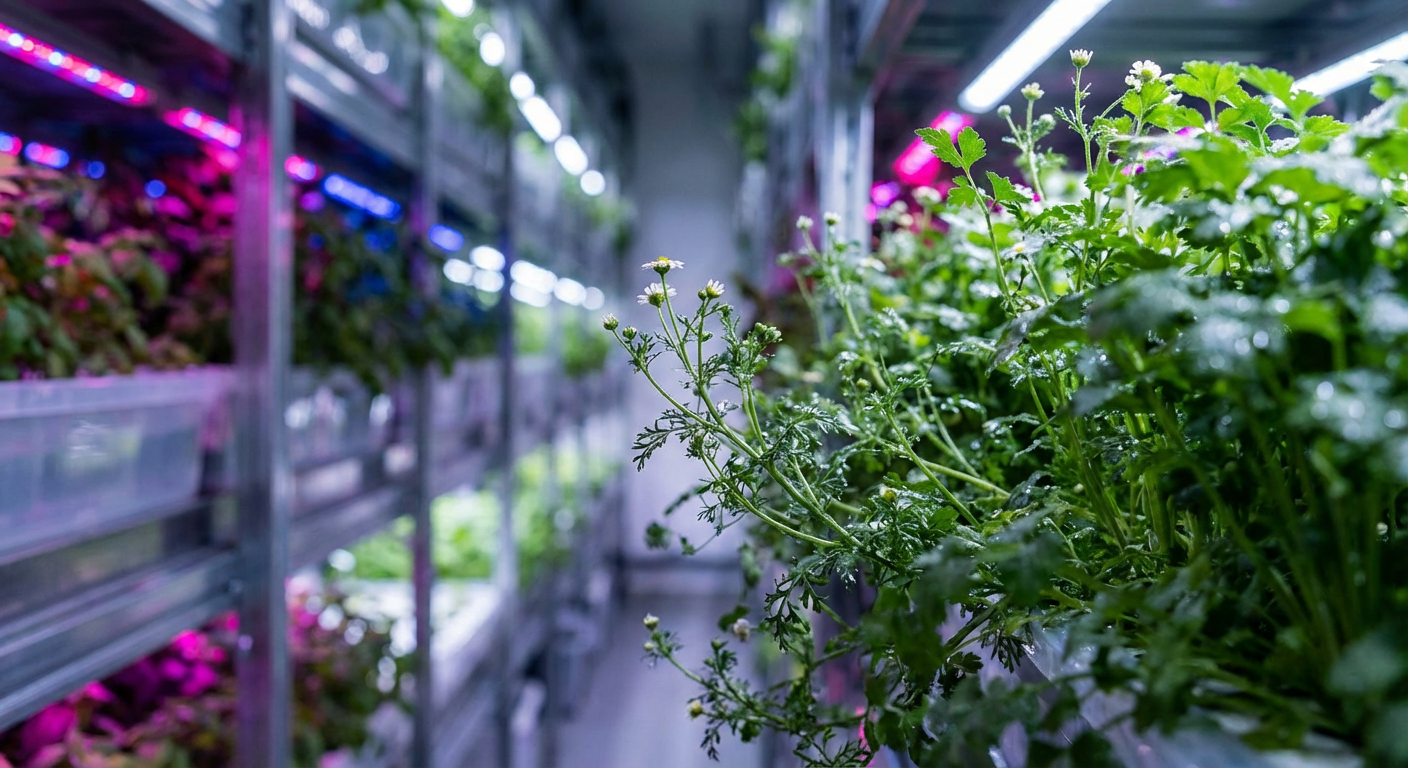
The intervention landscape for inflammaging is expanding, with increasing interest in natural compounds that can selectively influence SASP, inflammasomes, or barrier function. Vertical farming technologies, leveraging abiotic/biotic stress protocols, allow for precise control over phytochemical profiles, potentially yielding botanicals with enhanced bioactivity for inflammaging targets. For example, UV-B exposure can upregulate plant defense compounds with known antioxidant and immunomodulatory properties.
Regulatory Guardrails for Claims (EU & U.S.)
Navigating regulatory landscapes for products targeting inflammaging requires precise language and robust substantiation. In the EU, nutrition and health claims are governed by Regulation (EC) No 1924/2006. Claims like "anti-inflammatory" or "anti-inflammaging" are considered disease claims and are generally not authorized for food or supplement products without extensive, often prohibitive, clinical data demonstrating prevention, treatment, or cure of specific diseases. Cosmetic claims must comply with Regulation (EU) No 655/2013, ensuring they are truthful, evidenced, and not misleading, explicitly prohibiting medicinal claims.
In the U.S., the FDA differentiates between structure/function claims and disease claims for dietary supplements. A structure/function claim describes the role of a nutrient or dietary ingredient intended to affect the structure or function of the human body (e.g., "supports healthy immune function"). Disease claims, which state that a product can diagnose, cure, mitigate, treat, or prevent disease, require FDA drug approval. The nuanced language around "healthy inflammatory responses within the normal range" or "supports skin barrier integrity" is often favored over direct "anti-inflammatory" assertions.
Regulatory Claim Frameworks
Jurisdiction | Category | Claim Type | Example (Permitted - illustrative) |
|---|---|---|---|
EU | Food/Supplement | Health Claim | "Contributes to the protection of cells from oxidative stress" (if authorized) |
EU | Cosmetic | Effect Claim | "Helps maintain skin's natural barrier" |
U.S. | Dietary Supplement | Structure/Function | "Supports cellular health and vitality" |
U.S. | Cosmetic | Effect Claim | "Visibly reduces signs of skin aging" |
Compliance in Practice
Companies must substantiate all claims with scientific evidence. For botanicals, this means rigorous characterization of active compounds and their mechanisms, coupled with relevant in vitro, ex vivo, and potentially human clinical data. Full European traceability and pharma-grade microbial cleanliness offer inherent advantages for substantiation.
Market Outlook and Innovation Pathways for Botanicals
The market for healthy aging solutions, including those targeting inflammaging, continues robust growth. The global nutraceuticals market is projected to reach approximately USD 919.1 billion by 2030, driven by an aging demographic and increasing consumer focus on preventative health. Similarly, the anti-aging cosmetic market is expanding, with significant opportunities for novel ingredients addressing visible signs of aging linked to inflammation.
Innovation pathways often involve the discovery and optimization of botanical actives with specific bioactivities against inflammaging mechanisms. Vertical farming offers a distinct advantage by enabling cultivation of high-value medicinal botanicals with significantly enhanced secondary metabolite profiles. For example, Melissa officinalis grown with specific abiotic stress protocols can yield up to 30x higher rosmarinic acid content compared to field-grown plants (independent analysis, CTAEX lab, 2025). This level of precision and potency is critical for developing efficacious ingredients.
Botanical Innovation in Inflammaging
Enhanced Bioactives: Targeted upregulation of secondary metabolites (e.g., ursolic acid, wedelolactone) via xenohormesis.
Clean Label Solutions: Zero pesticides and contaminants, meeting pharmaceutical-grade cleanliness for sensitive applications.
Sustainability: Lower carbon footprint (0.72 kg CO₂-eq/kg vs 1.9 for vertical farm avg) and 100% EUDR compliance by design.
Batch Consistency: Reproducible phytochemical profiles for reliable ingredient performance.
Novel Mechanisms: Investigating unique compounds from underutilized botanicals for SASP or inflammasome modulation.
Strategic Sourcing for B2B Buyers
For ingredient buyers and formulators, sourcing botanicals explicitly designed to address inflammaging, while offering batch-to-batch consistency and high purity, is paramount. The current market dynamics, including potential EUDR-related supply disruptions for tropical botanicals, further underscore the value of secure, traceable, and sustainable European sourcing. Our Artemisinin, for instance, shows ~9x higher content compared to field-grown varieties, offering critical supply chain stability amidst expected price spikes.
Frequently Asked Questions
Which biomarkers best index inflammaging for clinical or consumer studies (e.g., hs‑CRP, IL‑6, YKL‑40)?
For clinical and consumer studies, hs-CRP, IL-6, and YKL-40 are widely accepted biomarkers for indexing inflammaging. Hs-CRP and IL-6 reflect systemic inflammatory burden, while YKL-40 is associated with chronic inflammation, tissue remodeling, and frailty.
What in vitro/ex vivo skin models are best to demonstrate anti‑inflammaging cosmetic effects?
Effective in vitro/ex vivo skin models include reconstructed human epidermis (RHE), full-thickness skin models, and primary human fibroblast/keratinocyte cultures treated with pro-inflammatory cytokines (e.g., TNF-α, IL-1β) or senescence inducers. These models allow for assessment of MMP activity, collagen synthesis, barrier markers, and cytokine secretion.
How can vertical‑farm cultivation optimize phytochemical profiles relevant to SASP/MMP modulation?
Vertical farm cultivation can optimize phytochemical profiles by precisely controlling abiotic stress protocols (e.g., UV-B radiation, drought, salinity, elicitors) and biotic stress mimetics (e.g., MeJA). These stressors induce xenohormesis, upregulating secondary metabolites (e.g., ursolic acid, rosmarinic acid, wedelolactone) that have reported modulatory effects on SASP components and MMP activity.
What structure/function language is permissible in the U.S. for ingestible products targeting healthy inflammatory responses?
In the U.S., permissible structure/function language for ingestible products includes phrases like "supports a healthy inflammatory response within the normal range," "helps maintain physiological balance," or "contributes to cellular resilience." Direct anti-inflammatory claims are generally considered disease claims and are not allowed without FDA drug approval.
How should EU claims be framed to comply with 1924/2006 and 655/2013 while conveying benefits credibly?
EU claims must avoid implying disease prevention or treatment. For food/supplements, only authorized health claims under 1924/2006 are permitted (e.g., "contributes to the normal function of the immune system"). For cosmetics, claims under 655/2013 must be substantiated, truthful, and non-misleading, focusing on cosmetic effects like "supports skin barrier function," "reduces visible signs of aging," or "improves skin comfort."
Which human data (exercise/nutrition) can support a ‘healthy aging’ positioning without disease claims?
Human data from exercise and nutrition studies demonstrating reduced inflammatory biomarkers (e.g., CRP, IL-6), improved endothelial function, enhanced antioxidant capacity, or modulated gut microbiome composition can support a 'healthy aging' positioning. These endpoints reflect a general effect on wellness without claiming to prevent or treat a specific disease.
What endpoints (TEWL, redness appearance, collagen imaging) resonate with B2B cosmetic buyers?
B2B cosmetic buyers prioritize quantifiable, clinically relevant endpoints. TEWL (Transepidermal Water Loss) indicates barrier integrity, instrumental assessment of redness (a*) shows soothing effects, and non-invasive collagen imaging (e.g., confocal microscopy, ultrasound) demonstrates ECM support. Consumer perception studies for comfort, radiance, and elasticity also hold weight.
How do patents referencing ‘inflammaging’ inform freedom‑to‑operate for new actives?
Patents referencing 'inflammaging' indicate specific approaches to target this mechanism, often outlining compositional claims or methods of use. Analyzing these patents helps determine freedom-to-operate for new actives by identifying protected intellectual property and revealing innovation trends (e.g., specific molecular targets, delivery systems, or botanical combinations being claimed).
What study designs efficiently show both cosmetic efficacy and consumer‑perceptible benefits?
Efficient study designs combine instrumental measurements of cosmetic efficacy (e.g., TEWL, skin hydration, elasticity, corneometry) with robust consumer self-assessment questionnaires. These studies often employ split-face or controlled-area designs, typically over 4-8 weeks, to demonstrate both measurable changes and subjectively reported benefits in skin appearance and feel.
How can microbiome assays be incorporated into product substantiation for skin and gut axes?
Microbiome assays can be incorporated through 16S rRNA gene sequencing or metagenomics to analyze microbial composition and diversity. For the gut, fecal samples can track shifts in microbial communities post-intervention. For the skin, swab or tape-strip samples can assess changes in bacterial or fungal populations, correlating with skin barrier function, redness, or comfort, linking ingredient use to microbiome modulation.
Leveraging Precision Botanicals for Inflammaging Solutions
The scientific understanding of inflammaging provides clear targets for formulators and R&D scientists. By leveraging the advanced capabilities of vertical farming, high-purity botanicals with optimized secondary metabolite profiles can serve as potent ingredients for the nutraceutical, cosmetic, and pharmaceutical industries seeking to address this complex biological process. This approach ensures both efficacy and regulatory compliance in a growing market.
Contact Supernormal Greens to request samples and specifications.
References
Franceschi, C., Garagnani, P., Parini, P., Giuliani, C., & Santoro, A. 2018. Inflammaging: a new immune-metabolic viewpoint for age-related diseases. Nature Reviews Endocrinology. https://pubmed.ncbi.nlm.nih.gov/30046148/
López-Otín, C., Blasco, M.A., Partridge, L. et al. 2023. Hallmarks of aging: An expanding universe. Cell. https://www.sciencedirect.com/science/article/pii/S0092867422013770
Franceschi, C., Garagnani, P., Parini, P., Giuliani, C., & Santoro, A. 2018. Inflammaging: a new immune-metabolic viewpoint for age-related diseases. Nature Reviews Endocrinology. https://pubmed.ncbi.nlm.nih.gov/30046148/
Basisty, N., Kale, A., Pham, E.A. et al. 2024. The senescence-associated secretory phenotype and its physiological and pathological implications. Nature Reviews Molecular Cell Biology. https://www.nature.com/articles/s41580-024-00727-x
Li, L., Deng, Y., Wen, R. et al. 2023. The central role of the NLRP3 inflammasome pathway in the pathogenesis of age-related diseases in the eye and the brain. Ageing Research Reviews. https://www.sciencedirect.com/science/article/pii/S1568163723001137
Basisty, N., Kale, A., Pham, E.A. et al. 2024. The senescence-associated secretory phenotype and its physiological and pathological implications. Nature Reviews Molecular Cell Biology. https://www.nature.com/articles/s41580-024-00727-x
Conti, V., de Wouters, T., & Vreugdenhil, A.C. 2022. The gut microbiome as a modulator of healthy ageing. Nature Reviews Gastroenterology & Hepatology. https://www.nature.com/articles/s41575-022-00605-x
Puzianowska-Kuźnicka, M., Owczarz, M., Wieczorowska-Tobis, K. et al. Interleukin-6 and C-reactive protein, successful aging, and mortality: the PolSenior study. Immun Ageing 13, 21 (2016). https://doi.org/10.1186/s12979-016-0076-x
Cicci, C.P., Ledesma-Campos, V., Garcia, B. et al. 2023. Frailty is related to serum inflammageing markers: results from the VITAL study. Immunity & Ageing. https://immunityageing.biomedcentral.com/articles/10.1186/s12979-023-00391-3
Ridker, P.M., Everett, B.M., Thuren, T. et al. 2017. CANTOS: Canakinumab Anti-Inflammatory Thrombosis Outcomes Study. American College of Cardiology. https://www.acc.org/latest-in-cardiology/clinical-trials/2017/08/26/08/35/cantos
Quan, T., & Fisher, G.J. 2022. Can Skin Aging Contribute to Systemic Inflammaging? Journal of Investigative Dermatology. https://www.sciencedirect.com/science/article/pii/S0022202X21024027
Bar, Ofek, and Skaidra Valiukevičienė. 2025. "Skin Aging and Type I Collagen: A Systematic Review of Interventions with Potential Collagen-Related Effects" Cosmetics 12, no. 4: 129. https://doi.org/10.3390/cosmetics12040129
Borgonha, K.R., Pires-Oliveira, D.A., Rocha, C.T.C. et al. 2024. Effects of resistance training on inflammatory cytokines in middle-aged and older adults: A meta-analysis. Journal of Sport and Health Science. https://pubmed.ncbi.nlm.nih.gov/38290947/
European Commission. Nutrition and Health Claims. https://food.ec.europa.eu/safety/labelling-and-nutrition/nutrition-and-health-claims_en
EUR-Lex. Commission Regulation (EU) No 655/2013 of 10 July 2013 laying down common criteria for the justification of claims used in relation to cosmetic products. https://eur-lex.europa.eu/legal-content/EN/TXT/?uri=CELEX:32013R0655
U.S. Food and Drug Administration. 2002. Small Entity Compliance Guide on Structure/Function Claims. https://www.fda.gov/regulatory-information/search-fda-guidance-documents/guidance-industry-structurefunction-claims-labels-and-labeling-dietary-supplements
Grand View Research. Nutraceuticals Market Size Worth $919.1 Billion By 2030. https://www.grandviewresearch.com/press-release/global-nutraceuticals-market
Mordor Intelligence. 2024. Anti-Aging Market Size & Share Analysis – Growth Trends & Forecasts (2024–2029). https://www.mordorintelligence.com/industry-reports/anti-aging-marke