

What is Cynarin? The Antioxidant Powerhouse in Artichoke for Anti-Aging Skincare
Quick answer
The increasing demand for botanically derived bioactive compounds in both cosmetic and nutraceutical markets highlights the need for consistent, high-potency ingredient sourcing. Supply chain vulnerabilities and quality variations for field-grown botanicals present significant challenges for formulators. This article examines cynarin, a key polyphenol found in artichoke, and its documented applications across various high-value industries.
Key Takeaways
Cynarin is a caffeoylquinic acid derivative from artichoke with strong antioxidant properties.
It offers anti-aging benefits, enhancing skin firmness, brightness, and pore refinement.
Beyond skin, cynarin supports liver health, digestion, and demonstrates neuroprotective potential.
High-quality, standardized cynarin extracts meet EU regulatory standards for B2B applications.
What is Cynarin? An Overview of this Potent Artichoke Polyphenol
Cynarin is a caffeoylquinic acid derivative found in artichokes (Cynara cardunculus), recognized for its diverse biological activities. It typically forms during aqueous extraction processes via the isomerization of 1,5-di-O-caffeoylquinic acid.
This compound is a primary marker and active constituent underlying many of artichoke's functional properties. Advanced extraction methods, including ultrasonic-assisted techniques, are used to quantify cynarin among the full phenolic profile of artichoke bud extracts, demonstrating concentrations up to approximately 1.6 mg/g.
Chemical Structure and Formation
Cynarin is formally known as 1,3-dicaffeoylquinic acid. Its presence and concentration can vary based on extraction methodology and plant material source.
The compound's formation from other caffeoylquinic acids during processing underscores the importance of controlled extraction for consistent output. Understanding this chemical pathway is critical for developing standardized extracts.
Key Characteristics of Cynarin
Cynarin exhibits several properties that make it attractive for industrial applications. These include its stability in various formulations and its multi-target biological activity.
Antioxidant: Direct free radical scavenging and modulation of reactive oxygen species.
Anti-Inflammatory: Modulates inflammatory pathways in various cellular models.
Choleretic: Stimulates bile production, supporting liver and digestive function.
Hepatoprotective: Protects liver cells from damage.
Cynarin's Antioxidant Power: Protecting Skin from Oxidative Stress
Cynarin exhibits significant antioxidant capabilities, which are crucial for skincare applications involving protection against environmental stressors. These activities include radical scavenging and the regulation of reactive oxygen species (ROS) pathways.
This protection helps mitigate cellular damage induced by UV radiation and pollution, which are primary drivers of premature skin aging. Formulators leverage these properties to develop protective and restorative cosmetic products.
Mechanisms of Action for Skin Protection
Cynarin's antioxidant effects extend beyond direct radical neutralization. It influences key cellular defense mechanisms.
ROS Scavenging: Directly neutralizes harmful free radicals, preventing oxidative damage to lipids, proteins, and DNA.
Enzyme Modulation: Can upregulate endogenous antioxidant enzymes, enhancing the skin's natural defense system.
Stress Response Induction: In human fibroblasts, approximately 75 µM cynarin induces stress-response proteins, improving cellular resilience and survival against external stressors. A 2015 in vitro study demonstrated cynarin's ability to protect human fibroblasts while inhibiting cancer cell proliferation.
Comparative Antioxidant Activity
Comparing cynarin to other polyphenols highlights its distinct profile. While many polyphenols offer antioxidant benefits, cynarin also possesses specific choleretic and hepatoprotective actions.
For example, while chlorogenic acid is another prominent caffeoylquinic acid derivative in artichoke, cynarin's unique di-caffeoyl structure may contribute to its specialized biological effects, particularly in liver support.
The Anti-Aging Benefits of Cynarin: Enhancing Skin Radiance and Firmness
Cynarin-containing artichoke extracts are recognized in cosmetic formulations for their anti-aging potential. They help promote skin firming, antioxidant protection, pore refinement, and brightening effects.
These benefits are attributable to cynarin's ability to combat oxidative stress and support cellular integrity, directly addressing common signs of aging. The demand for natural, potent anti-aging ingredients is high in the cosmetic sector.
Impact on Collagen and Elastin
While direct evidence linking cynarin to collagen and elastin synthesis is still developing, its antioxidant capacity indirectly supports skin structural proteins. Oxidative stress is a known degrader of these vital skin components.
By mitigating oxidative damage, cynarin helps preserve the integrity of the extracellular matrix. This indirect action contributes to maintaining skin firmness and elasticity.
Refining Skin Texture and Tone
Cynarin’s multi-faceted action also contributes to improving overall skin appearance. Benefits like reduced pore visibility and enhanced radiance are observed in cosmetic applications.
These improvements collectively lead to a more even and youthful complexion. Formulators can leverage these effects in serums, creams, and other anti-aging products.
Pore Refinement: Suggested to reduce the appearance of enlarged pores, possibly through its astringent or anti-inflammatory properties.
Brightening Effect: Antioxidant action can reduce hyperpigmentation associated with oxidative stress.
Improved Firmness: Supports skin matrix integrity, contributing to a firmer feel.
Beyond Skincare: Cynarin's Role in Liver Health and Digestion
Cynarin's therapeutic profile extends significantly beyond topical applications, with a long history of use in hepatoprotective and digestive support formulations. It functions primarily through its choleretic and hepatoprotective properties.
A comprehensive health effects review from 2017 detailed cynarin's diverse pharmacological actions, including beneficial effects on liver function and cholesterol management.
Choleretic and Hepatoprotective Actions
Cynarin stimulates bile flow (choleretic effect), which aids in fat digestion and the elimination of toxins. This action is pivotal for maintaining liver health.
Its hepatoprotective effects involve safeguarding liver cells from damage caused by toxins, inflammation, and oxidative stress. These properties make Cynara cardunculus extracts highly valued in nutraceuticals.
Cholesterol Management and Metabolic Health
Cynarin has also demonstrated potential in supporting healthy lipid profiles. It contributes to cholesterol lowering and anti-atherosclerotic effects.
These systemic benefits position cynarin as a valuable ingredient for cardiovascular and metabolic health formulations. A recent pharmacological summary in 2026 further confirmed its utility for cholesterol management.
Neuroprotective and Genoprotective Insights
Emerging research indicates cynarin's potential beyond traditional uses. Studies reveal neuroprotective and genoprotective properties.
In rat cortical synaptosomes, cynarin can inhibit glutamate release, suggesting a role in excitotoxicity modulation. It also demonstrates antigenotoxic effects against DNA damage in human lymphocytes.
Sourcing & Formulation: The B2B Advantage of High-Quality Cynarin Extracts
Securing a consistent and high-quality supply of cynarin extract is paramount for B2B buyers in the cosmetic and nutraceutical industries. Standardized extracts are crucial for ensuring efficacy and compliance.
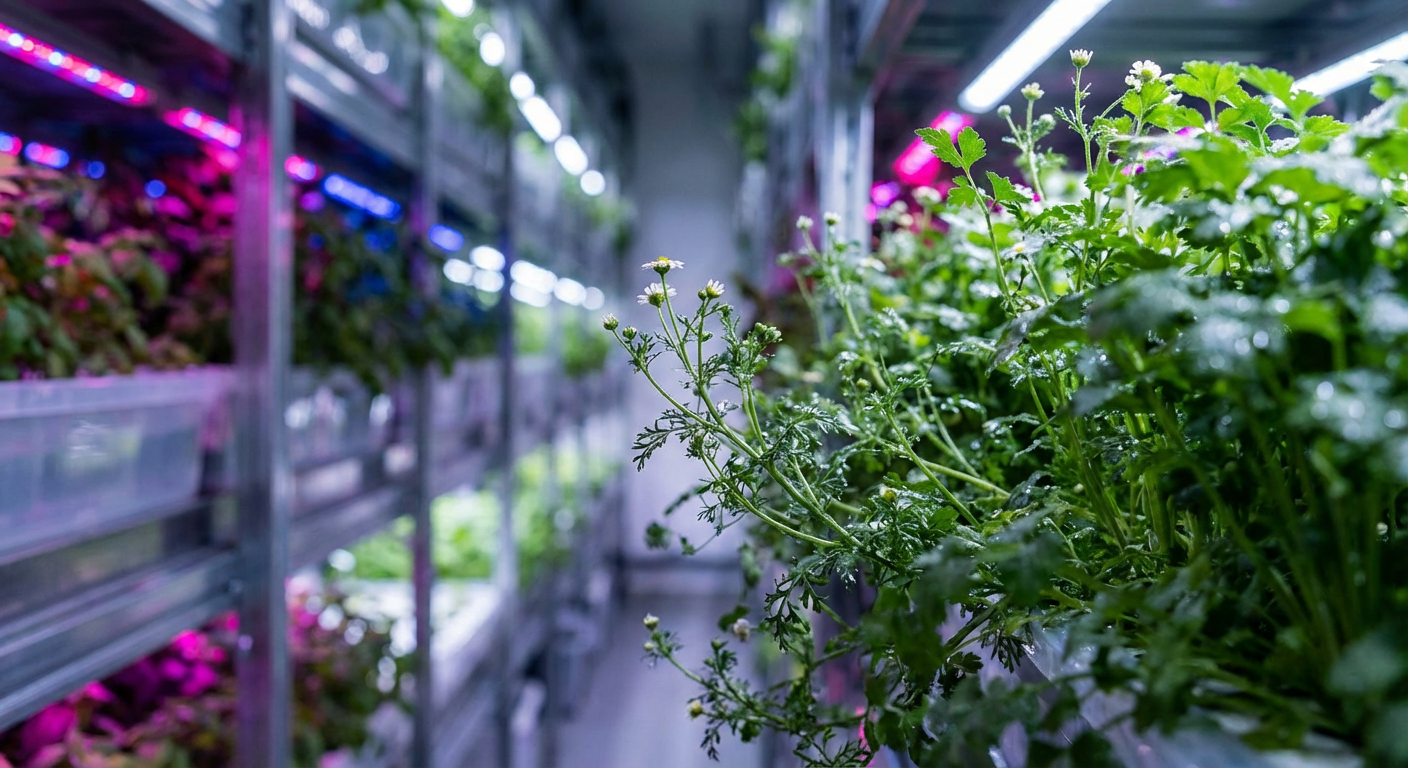
Supernormal Greens provides Cynara cardunculus extract grown under controlled vertical farm conditions. Our proprietary abiotic/biotic stress protocols enhance secondary metabolite upregulation, resulting higher potency compared to field-grown alternatives.
Ensuring Potency and Purity
Vertical farming of Cynara cardunculus allows for precise control over environmental factors. This includes nutrient delivery and targeted stress induction.
These methods optimize the biosynthesis of cynarin and other valuable compounds. The result is a uniformly potent and pure ingredient, essential for pharmaceutical and high-value cosmetic applications.
Feature | Supernormal Greens Cynara cardunculus | Typical Field-Grown Artichoke |
|---|---|---|
Cynarin Potency | Higher potency (xenohormesis-induced) | Variable, climate-dependent |
Microbial Cleanliness | Pharma-grade | Requires extensive post-harvest processing |
Pesticides | Zero | Conventional use likely |
Traceability | Full European traceability | Often limited |
Sustainability (CO₂-eq/kg) | 0.72 kg (LCA, Martin, 2023) | 1.4 kg (imported avg) |
Formulation Considerations for Cynarin
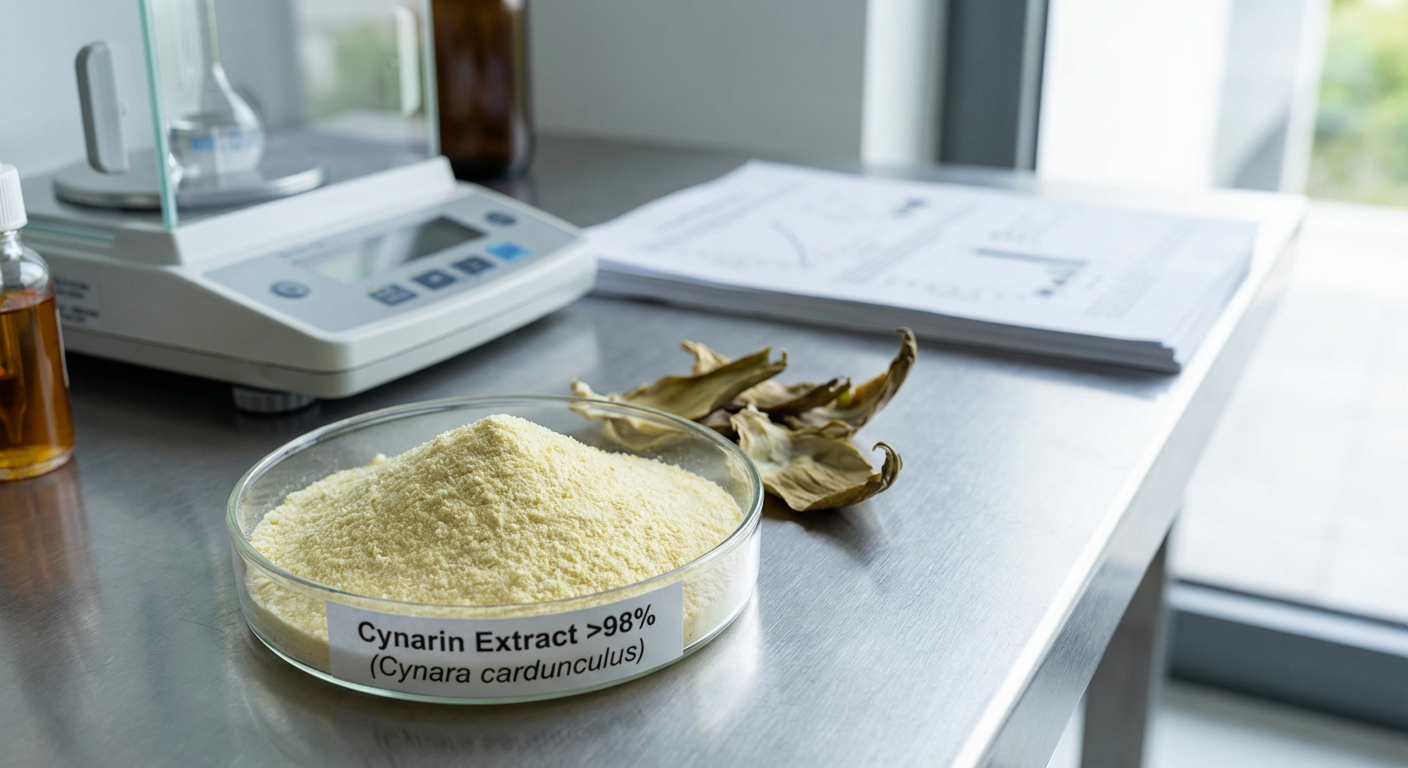
Integrating cynarin into formulations requires careful consideration of its stability and concentration. B2B-grade artichoke extract standardized to 5% cynarin is readily available and meets EU cosmetic and food safety standards.
Recommended topical concentrations typically range from 0.5–1.5% in leave-on skincare products. For oral supplements, specific dosages depend on desired health benefits and regulatory guidelines.
Solubility: Water-soluble polyphenolic compound, suitable for aqueous and hydro-alcoholic formulations.
Stability: Requires appropriate formulation and packaging to maintain efficacy.
Standardization: Critical for consistent performance in end products.
Regulatory Landscape and Safety Profile of Cynarin in Global Markets
The regulatory status of cynarin and its extracts is a crucial consideration for B2B buyers operating in global markets. In the EU, cynarin is not classified as a novel food.
It is instead among substances "to be monitored," indicating its established historical use without current novel-food restrictions. This simplifies regulatory pathways for manufacturers. An ANSES regulatory document from 2025 provides this classification.
EU Regulatory Framework
For cosmetic and nutraceutical applications within the EU, cynarin-containing extracts must adhere to specific safety and quality directives. This includes adherence to the Cosmetic Products Regulation and relevant food supplement regulations.
Suppliers like Supernormal Greens provide the necessary Certificates of Analysis (CoA) and technical dossiers. This ensures that B2B-grade artichoke extracts comply with stringent heavy metal and microbial limits.
Safety and Dosage Guidelines
Cynarin exhibits a favorable safety profile across various studies. In cellular models, concentrations up to 50 µM demonstrate protective effects without cytotoxicity.
Higher concentrations, around 100 µM, may inhibit cell proliferation in specific contexts, underscoring the importance of dose-response relationships. For oral applications, standard dosages are derived from traditional uses of artichoke extracts, ensuring safety.
Topical Use: 0.5–1.5% concentration in leave-on products is generally well-tolerated.
Oral Use: Dosages vary; typically provided in standardized extracts for specific health benefits.
Toxicology: No significant toxicity concerns at approved usage levels; high-quality extracts minimize impurities.
Frequently Asked Questions
How is cynarin extracted and standardized from artichoke biomass?
Cynarin is extracted from Cynara cardunculus biomass using aqueous or hydro-alcoholic solvents, often aided by ultrasonic-assisted techniques. Standardization involves High-Performance Liquid Chromatography (HPLC) to quantify cynarin content, ensuring consistent potency.
What concentration of cynarin is effective and safe in skincare formulations?
For effective and safe incorporation into leave-on skincare formulations, cynarin is typically used at concentrations ranging from 0.5% to 1.5%. This range balances efficacy for antioxidant and anti-aging benefits with skin tolerability.
Does cynarin have clinical evidence for liver or cholesterol support?
Yes, cynarin has clinical and preclinical evidence supporting its role in liver health and cholesterol management. It demonstrates choleretic and hepatoprotective effects, and studies have shown its potential in lowering cholesterol and addressing anti-atherosclerotic concerns.
Are there in vivo or human studies confirming antioxidant effects of cynarin?
While extensive in vitro and cellular studies confirm cynarin's antioxidant effects, specific human clinical trials focusing solely on cynarin for antioxidant marker modulation are less prevalent than those for overall artichoke extract. However, the antioxidant activity is widely accepted as contributing to the observed benefits of artichoke extracts.
How does cynarin compare to other polyphenols like chlorogenic acid in efficacy?
Cynarin and chlorogenic acid are both caffeoylquinic acid derivatives found in artichoke, each contributing to its overall bioactivity. While both exhibit antioxidant properties, cynarin is particularly noted for its distinctive choleretic and hepatoprotective actions, suggesting a more targeted efficacy for liver and digestive health compared to chlorogenic acid's broader antioxidant profile.
What regulatory documentation is required for using cynarin in EU cosmetics or supplements?
For use in EU cosmetics or supplements, cynarin extracts require a Certificate of Analysis (CoA) detailing purity, heavy metal content, and microbiological limits. As cynarin is not classified as a novel food in the EU, specific novel food authorizations are not required, but compliance with respective cosmetics or food supplement regulations is mandatory.
Can cynarin be co-formulated with other actives for synergistic anti-aging effects?
Yes, cynarin can be co-formulated with other anti-aging actives, such as peptides, hyaluronic acid, and vitamins (e.g., C and E), to achieve synergistic effects. Its antioxidant and skin-firming properties complement agents that boost collagen production or provide additional hydration, enhancing overall anti-aging outcomes.
What vertical farm methods optimize cynarin yield in artichoke biomass?
Optimizing cynarin yield in vertical farms involves precise control over environmental parameters including light spectrum (e.g., UV-B exposure), nutrient solution composition (e.g., salinity), and abiotic stressors like specific elicitors or optimized drought conditions. These xenohormesis protocols induce secondary metabolite upregulation in Cynara cardunculus.
What safety thresholds for cynarin exist for oral versus topical use?
For topical applications, cynarin is generally safe at concentrations of 0.5–1.5% in finished formulations. For oral use, safety thresholds for pure cynarin are less defined than for whole artichoke extracts, but the extensive history of artichoke extract consumption suggests a high safety margin at typical nutraceutical dosages. In vitro studies indicate that concentrations below 50 µM are protective, while 100 µM may inhibit cell proliferation in specific contexts. The diverse applications of cynarin, from advanced skincare to nutraceuticals, underscore its value as a high-potency ingredient. Data-driven sourcing practices, like those employed by Supernormal Greens, ensure the consistent delivery of premium cynarin extracts for demanding B2B buyers. Contact Supernormal Greens to request samples and specifications.