


How to Formulate Ingestible Beauty Supplements: A Guide to Actives, Delivery Systems, and Taste Masking
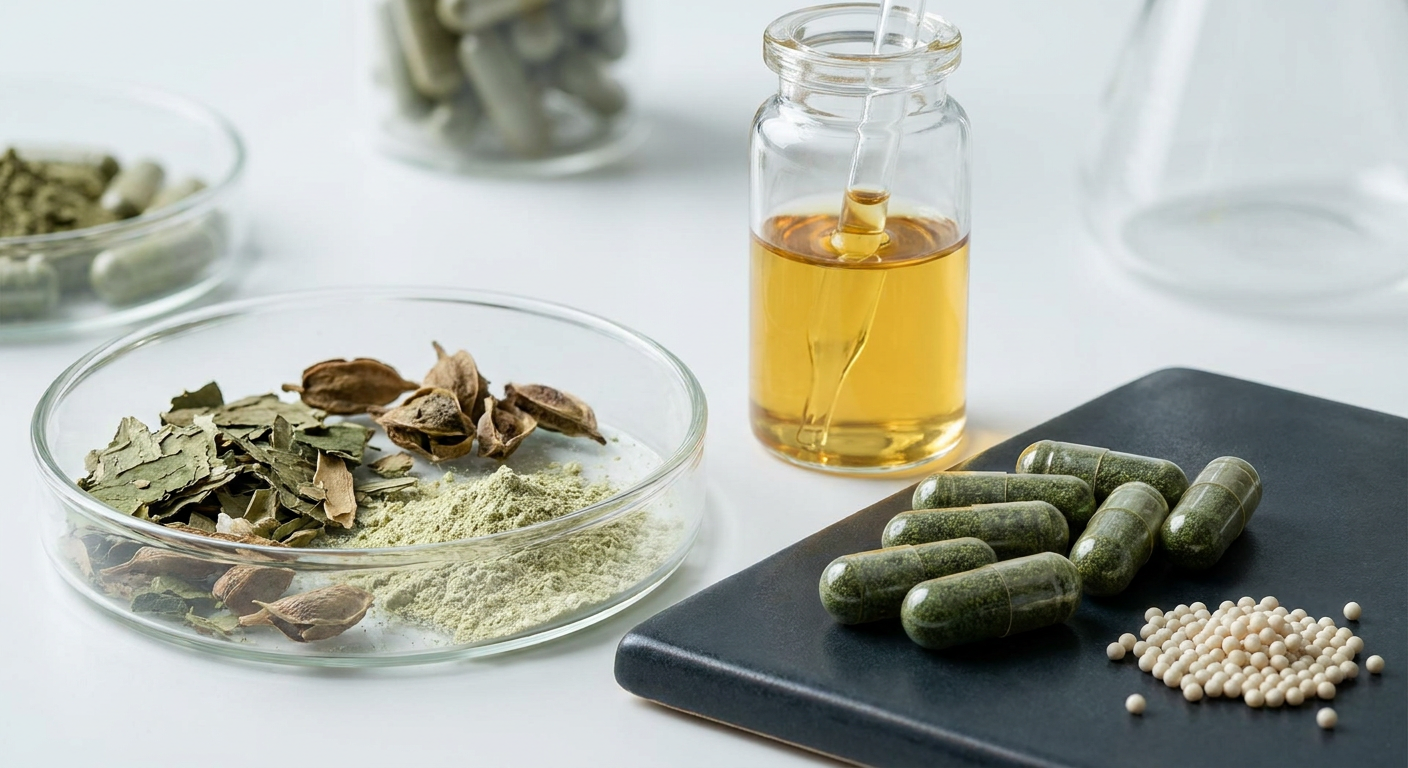
Quick answer
The ingestible beauty market, often termed "beauty-from-within," presents significant growth opportunities, yet it requires precise formulation and an understanding of the complex interplay between active ingredients, delivery mechanisms, and consumer sensory experience. Supply chain challenges, particularly those exacerbated by EUDR regulations, necessitate a re-evaluation of sourcing strategies for botanical ingredients in this sector. This article details key considerations for formulating ingestible beauty products, focusing on ingredients, formats, and regulatory insights essential for B2B buyers.
Key Takeaways
Nutricosmetics utilize ingredients like hyaluronic acid and omega-3s for skin benefits.
EU regulations classify nutricosmetics as food supplements, requiring EFSA compliance.
Powders offer faster absorption and cost savings for high-dose botanicals.
Liposomal delivery enhances bioavailability 2-3 times over traditional formats.
Vertical farming provides consistent, high-potency botanicals, reducing supply risk.
Nutricosmetic Concept and Scientific Basis
The nutricosmetic concept integrates nutritional science with dermatological outcomes, emphasizing the "beauty-from-within" principle. This approach addresses skin and hair health through oral supplementation, influencing pathways from the gut microbiome to cellular regeneration.
Understanding what is the gut skin axis is fundamental to nutricosmetic formulation, as digestive health profoundly impacts skin condition.
Definition and Scope
Nutricosmetics are products designed to improve skin, hair, and nail health through ingested active ingredients, operating at the intersection of food, cosmetic, and pharmaceutical sectors. In Europe, these products are legislatively classified as food supplements under Directive 2002/46/EC, as outlined in a NutriTerra evidence-based analysis.
Nutricosmetics: Oral supplements targeting dermatological benefits.
Regulatory Framework: Governed by food supplement directives in the EU.
Market Position: Bridges the gap between nutrition and topical cosmetic applications.
Key Bioactive Categories
Formulating ingestible beauty products involves selecting bioactives with demonstrated efficacy. These generally fall into several categories based on their mechanisms of action and targeted benefits.
The primary ingredients include hyaluronic acid, omega-3 fatty acids, various vitamins, and minerals.
Hyaluronic Acid: Supports skin hydration and elasticity by enhancing water retention in the extracellular matrix.
Omega-3 Fatty Acids: Modulate inflammatory pathways and support collagen synthesis.
Vitamins & Minerals: Essential cofactors for enzymatic reactions and potent free radical scavengers for antioxidant protection.
Botanical Extracts: Provide specialized benefits, often rich in polyphenols and adaptogens for skin resilience and radiance.
For formulators evaluating alternatives in the ingestible beauty market, tulsi extract offers complementary bioactives worth considering.
Key Ingredients and Mechanisms of Action
Selecting efficacious ingredients is paramount when formulating ingestible beauty products. The mechanism of action dictates whether an ingredient supports hydration, reduces inflammation, or provides antioxidant benefits.
The most evidence-based ingredients often address multiple dermatological concerns simultaneously.
What are the most evidence-based ingredients for ingestible beauty products?
A NutriTerra evidence-based analysis identifies hyaluronic acid, omega-3 fatty acids, and a range of vitamins and minerals as cornerstone ingredients for ingestible beauty. Other prominent botanicals such as rosmarinic acid and wedelolactone derived from Melissa officinalis and Eclipta prostrata, respectively, are gaining traction.
Hyaluronic Acid: Enhances skin hydration, elasticity, and reduces appearance of fine lines.
Omega-3 Fatty Acids: Possess anti-inflammatory properties and support skin barrier function.
Vitamins (A, C, E) & Minerals (Zinc, Selenium): Act as antioxidants, promote collagen synthesis, and aid in wound healing.
Polyphenols: Bioactive compounds found in botanicals, offering neuroprotection and anti-inflammatory properties, particularly relevant for the gut-skin axis. Research into polyphenols for gut microbiome modulation shows their benefit in skin health.
Notable Botanicals and Their Functionality
Botanicals grown using proprietary abiotic/biotic stress protocols exhibit enhanced secondary metabolite profiles. This xenohormesis results in significantly higher potency, crucial for effective nutricosmetic formulations.
Botanical Source | Key Bioactives | Specific Benefits in Nutricosmetics | Potency Advantage (vs. Field-grown) |
|---|---|---|---|
Cynara cardunculus (Artichoke) | Cynarin, Chlorogenic Acid | Antioxidant, liver support influencing skin clarity | Enhanced phenolic expression |
Eclipta prostrata (False Daisy) | Wedelolactone | Hair growth stimulation, anti-aging properties | High phytochemical potential with pharma-grade cleanliness |
Ocimum sanctum (Holy Basil) | Ursolic Acid, Rosmarinic Acid | Adaptogenic, anti-inflammatory effect on skin | High eugenol, carvacrol content |
Melissa officinalis (Lemon Balm) | Rosmarinic Acid, Citral | Antioxidant, calming, skin barrier support | High phytochemical potential with pharma-grade cleanliness |
Artemisia annua (Sweet Wormwood) | Artemisinin | Anti-inflammatory, potentially anti-acne | ~9x internal R&D |
These specialized botanicals provide a reliable source for high-value compounds, offering batch-to-batch consistency and pharma-grade microbial cleanliness.
Dosage Forms: Capsules versus Powders
Choosing the appropriate dosage form profoundly affects bioavailability, consumer adherence, and manufacturing complexity. The decision between capsules and powders often depends on the active ingredient properties, target dosage, and desired consumer experience.
Both formats offer distinct advantages in the context of formulating ingestible beauty products.
When should a powder format be preferred over capsules for beauty supplements?
Powder formats are preferable for high-dose ingredients (5–30g+), enabling dosing flexibility and cost-effectiveness compared to capsules. A Rasi Labs comparison highlights powders provide marketing differentiation through flavor and allow faster absorption.
High Dosing: Ideal for ingredients requiring gram-level intake, such as collagen peptides or high-fiber blends.
Faster Absorption: Powders can absorb 10–15 minutes faster than capsules, according to IngredientMD.
Flavor & Sensory Appeal: Offers opportunities for diverse flavor profiles, enhancing consumer experience and brand differentiation.
Cost Efficiency: Generally 30–50% less expensive to manufacture for high-dose formulations.
Advantages and Disadvantages of Capsules
Capsules excel where precise dosing, taste masking, and ingredient stability are critical. They are also highly convenient for consumers.
Precise Dosing: Each capsule contains an exact amount of active ingredient, ensuring consistent intake.
Taste Masking: Effectively encapsulates unpleasant tastes and odors inherent in many botanicals, improving adherence (IngredientMD).
Stability: Provides better protection for sensitive ingredients from oxidation and degradation.
Portability: Convenient for on-the-go consumption, often requiring no mixing.
How much faster is powder absorption compared to capsules in practice?
In practice, powder absorption can be 10–15 minutes faster than capsules due to the dissolution time required for the capsule shell itself, as noted by IngredientMD. This difference is more pronounced for ingredients where rapid systemic uptake is a key performance indicator.
What are the benefits of liposomal delivery in nutricosmetic formulations?
Liposomal delivery systems significantly enhance the bioavailability of active ingredients. TheFOOON indicates liposomal supplements offer 2–3 times greater bioavailability (50–90%) compared to conventional capsules or powders, ensuring a higher percentage of the active ingredient reaches the target tissues.
Enhanced Absorption: Liposomes bypass digestive degradation, delivering active compounds more efficiently to cells.
Increased Bioavailability: Protects sensitive compounds from gastric acids and enzymes, leading to higher systemic concentrations.
Targeted Delivery: Can be engineered to deliver compounds to specific tissues, though this is more complex for ingestible beauty.
Reduced Dosing: Higher absorption can mean lower doses are needed for the same effect, potentially reducing cost per serving.
Flavor and Taste Masking Strategies
Effective flavor and taste masking are critical for consumer acceptance and long-term adherence to ingestible beauty supplements, especially when working with potent botanicals. Unpleasant tastes can significantly deter product repeated use.
Strategic formulation ensures a palatable experience without compromising active ingredient efficacy.
What techniques are used to mask taste in botanical supplements?
Common taste masking techniques include encapsulation, flavor addition, and the use of sweeteners or mouthfeel enhancers. Encapsulation is particularly effective for herbal extracts with strong or bitter profiles, providing a physical barrier between the compound and taste receptors.
Microencapsulation: Coats individual particles of active ingredients, preventing direct contact with taste buds.
Flavorants: Strong, palatable flavors (e.g., fruit, mint) can override or blend with undesirable tastes.
Sweeteners: High-intensity sweeteners (natural or artificial) can counteract bitterness or off-notes.
Excipients: Certain carriers or binders can adsorb unpleasant compounds or modify their release in the mouth.
Considerations for Plant-derived Actives
Botanicals like Ocimum sanctum (Holy Basil) or Artemisia annua (Sweet Wormwood) possess complex phytochemical profiles, often including bitter triterpenes or pungent essential oils. Formulations must balance masking these notes with preserving the active compounds.
Solubility: Water-soluble bitter compounds are harder to mask than lipid-soluble ones.
Interaction: Flavor agents must not react with or degrade the botanical actives.
Dosage: Higher concentrations of active botanicals necessitate more robust masking strategies.
Texture: Powder formulations can use texture modifiers to enhance mouthfeel and mask grittiness.
Regulatory Trends and Market-Backed Formulation Practices
The regulatory landscape for nutricosmetics in the EU is complex, primarily classifying them as food supplements. Compliance with EFSA guidelines and novel food regulations is crucial for market access and consumer trust.
Proactive engagement with these frameworks ensures long-term product viability.
How do EU regulations define nutricosmetics versus food supplements?
In the EU, nutricosmetics are not a distinct regulatory category but fall under the definition of food supplements, as clarified by NutriTerra. This means they must comply with Directive 2002/46/EC on food supplements, including requirements for ingredient safety, labeling, and permitted claims.
Legal Classification: Food supplements (Directive 2002/46/EC).
Ingredient Approval: Must contain vitamins, minerals, or other substances with a nutritional or physiological effect.
Novel Foods: New ingredients not widely consumed in the EU before May 1997 require EFSA authorization under Regulation (EU) 2015/2283.
Health Claims: Must adhere to the EU Health Claims Regulation (EC No 1924/2006).
The EU Critical Raw Materials Act also highlights the importance of securing reliable, traceable supply chains for botanical inputs, which vertical farming directly addresses.
Are there safety thresholds established by EFSA for novel botanical actives?
Yes, EFSA establishes safety thresholds for novel food ingredients, including botanical actives. For instance, EFSA determined a safe adult intake of cetylated fatty acids (a novel food) to be 1.6 g/day based on the NOAEL in a 2021 safety assessment. EFSA continually reviews the safety of botanical compounds, with ongoing evaluations for substances like hydroxycitric acid and berberine.
How to navigate novel food approval for botanicals in the EU?
Navigating novel food approval for botanicals in the EU involves a comprehensive application to EFSA under Regulation (EU) 2015/2283. The application must include detailed compositional data, toxicological studies, proposed uses, and evidence of safe human consumption history.
Pre-market Authorization: All novel foods require authorization before being placed on the EU market.
Data Submission: Provide comprehensive scientific data demonstrating safety under proposed conditions of use. This includes chemical characterization, manufacturing process, and toxicological data.
Risk Assessment: EFSA conducts a scientific risk assessment to determine if the novel food is safe upon consumption.
Authorization by Commission: If EFSA provides a favorable opinion, the European Commission grants authorization, potentially with specific conditions of use or labeling requirements.
What dosing guidelines exist for novel ingredients like cetylated fatty acids?
Specific dosing guidelines for novel ingredients like cetylated fatty acids are established by EFSA following risk assessment. For cetylated fatty acids, the maximum safe adult intake is 1.6 g/day. Adherence to these EFSA-derived NOAELs (No Observed Adverse Effect Levels) is critical for formulators introducing novel botanicals.
Frequently Asked Questions
What are the most evidence-based ingredients for ingestible beauty products?
The most evidence-based ingredients include hyaluronic acid, omega-3 fatty acids, vitamins (A, C, E), minerals (zinc, selenium), and specific botanicals rich in polyphenols مثل rosmarinic acid. These ingredients are supported by systematic reviews for their roles in hydration, inflammation modulation, and antioxidant protection.
How do EU regulations define nutricosmetics versus food supplements?
In the EU, there is no distinct legal category for nutricosmetics; they are regulated as food supplements under Directive 2002/46/EC. This means they must comply with specific rules regarding safety, composition, and authorized health claims for food supplements.
Are there safety thresholds established by EFSA for novel botanical actives?
Yes, EFSA establishes safety thresholds for novel botanical actives through rigorous risk assessments, such as the 1.6 g/day limit for cetylated fatty acids. These thresholds are derived from no-observed-adverse-effect levels (NOAELs) to ensure consumer safety.
When should a powder format be preferred over capsules for beauty supplements?
A powder format is preferred for beauty supplements requiring high dosages (5–30g+), for rapid absorption, and when flavor can be used as a marketing differentiator. Powders also offer greater flexibility in dosing and can be more cost-effective for large active ingredient quantities.
What techniques are used to mask taste in botanical supplements?
Taste masking in botanical supplements commonly involves microencapsulation of active ingredients, the incorporation of strong flavorants (e.g., fruit, mint), and the use of high-intensity sweeteners or texture modifiers. These methods create a barrier or override unpleasant tastes.
How much faster is powder absorption compared to capsules in practice?
Powder absorption can be 10–15 minutes faster than capsules in practice, primarily because the active ingredients are immediately exposed to digestive fluids without the need for capsule dissolution. This difference is significant when quicker onset of action is desired.
What are the benefits of liposomal delivery in nutricosmetic formulations?
Liposomal delivery in nutricosmetic formulations significantly enhances bioavailability, often by 2–3 times (50–90% absorption) compared to traditional formats. This protects sensitive active ingredients from degradation in the digestive tract, leading to higher absorption and efficacy.
How do vertical-farm-grown botanicals offer a unique advantage for B2B buyers?
Vertical-farm-grown botanicals offer unique advantages through proprietary abiotic/biotic stress protocols that upregulate secondary metabolites, resulting higher potency compared to field-grown crops. This provides batch-to-batch consistency, pharma-grade microbial cleanliness, zero pesticides, and full European traceability, significantly de-risking supply chains facing EUDR compliance challenges.
What dosing guidelines exist for novel ingredients like cetylated fatty acids?
For novel ingredients like cetylated fatty acids, dosing guidelines are determined by EFSA based on safety assessments, establishing a maximum safe adult intake. For cetylated fatty acids, the recommended dose is up to 1.6 g/day, a critical parameter for formulators.
How to navigate novel food approval for botanicals in the EU?
Navigating novel food approval for botanicals